Collection: Fruit Tea

Discover the Premium Fruit Tea Collection – exclusive fruit infusions full of natural aroma and flavor. Naturally caffeine-free, perfect hot or as a refreshing iced tea. Enjoy the fresh, fruity taste!

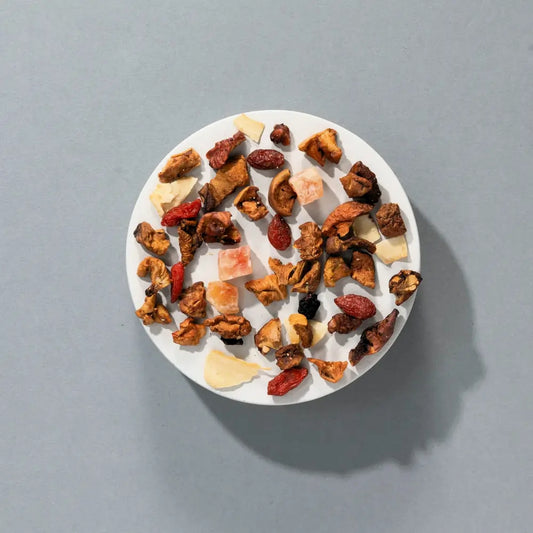
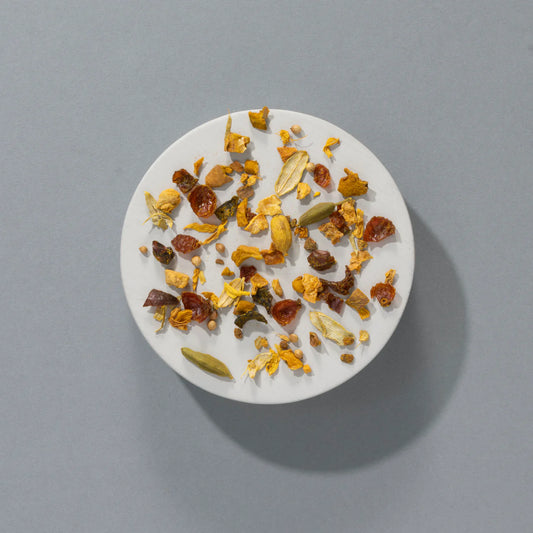
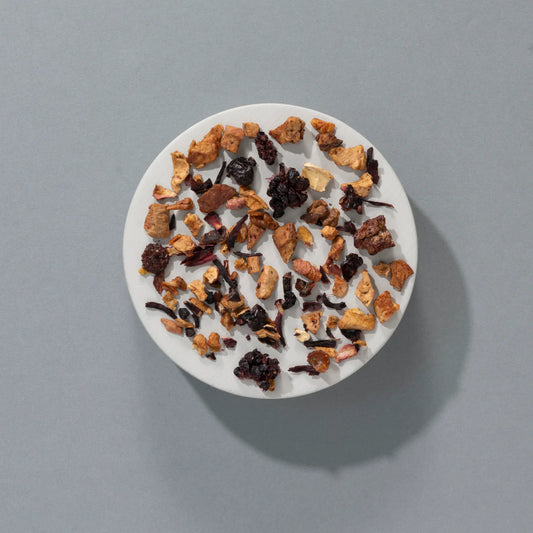
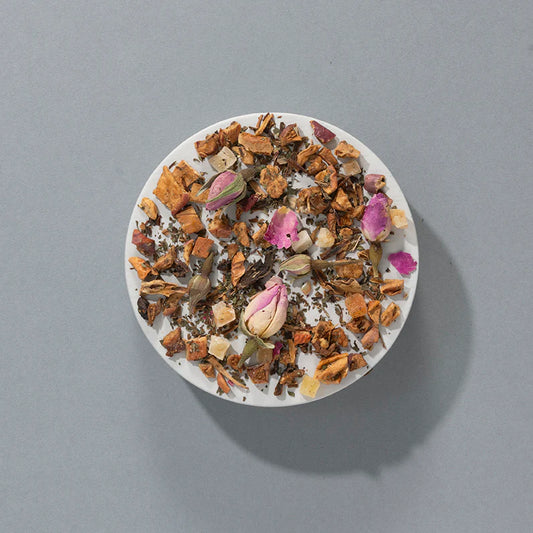
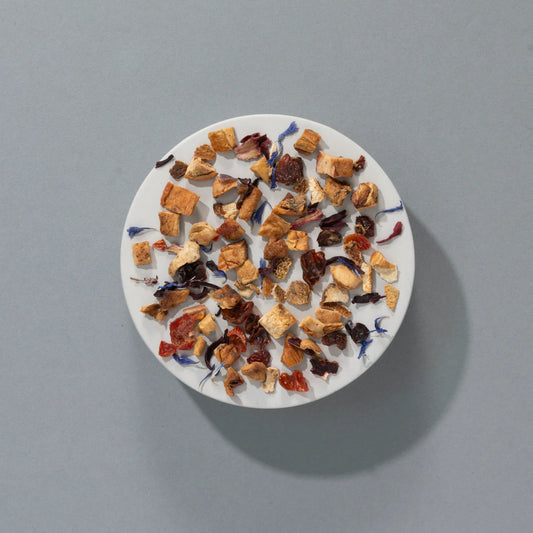
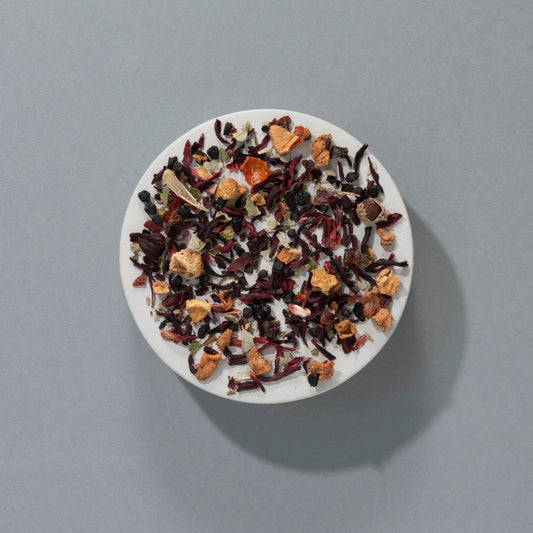
  • The best fruit teas are infusions made from dried fruits, often enriched with flower petals, spices, and herbs. They do not contain leaves of Camellia sinensis, which means they are naturally caffeine-free. As a result, fruit teas offer an intense fruity flavour and aroma. Common ingredients include apples, strawberries, raspberries, berries, hibiscus, rosehip, orange peel, mango, and other fruits.

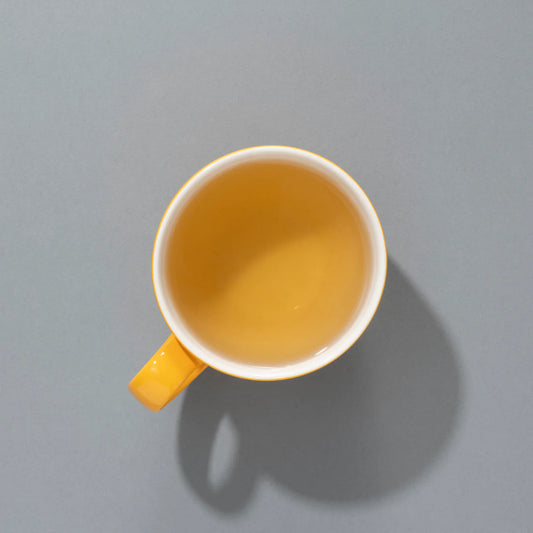
    Once brewed, fruit tea develops a deep, vibrant colour (for example, ruby red from hibiscus) and delivers a wealth of natural vitamins and antioxidants.

    Fruit teas are often considered a healthy alternative to juices and carbonated drinks. They contain no added sugars or artificial additives. You can think of them as “fruit in a cup” — a source of vitamin C, flavonoids, and minerals, without irritating ingredients. This makes fruit tea a great choice for children and anyone looking to reduce sweetened beverages. Many blends rely heavily on hibiscus and rosehip, both natural sources of vitamin C and organic acids, which can support the body during colds and seasonal fatigue.

    Fruit blends combine natural sweetness with gentle acidity, often provided by hibiscus. Hibiscus gives the infusion its characteristic ruby colour and a subtle citrus note. For a sweeter profile, choose blends with a higher proportion of apple, pear, or raisins. You’ll find berry blends, raspberry blends, and exotic fruit compositions, often complemented by rose petals, rosehip, or citrus peel.

  • Are fruit teas healthy?

    • Fruit teas are naturally free from caffeine (theine). Like herbal teas, they can be enjoyed by children, pregnant women, and people sensitive to stimulants. This makes them a safe and refreshing drink at any time of day.
    • Infusions made from dried fruit are rich in natural vitamins and antioxidants. The fruits and wild plants used in these blends may help support immunity and overall wellbeing. Importantly, they contain no added sugar — any sweetness comes naturally from dried strawberries, raisins, pineapple, or apples.

    What ingredients are typically found in fruit tea? In most fruit teas, the base is hibiscus flower (which provides acidity and vibrant colour), rosehip (rich in vitamin C), and dried fruits such as apple, strawberry, raspberry, mango, or pineapple. For a sweeter profile, blends often include raisins or rose petals. Some compositions also feature dried citrus fruits (orange or lemon peel) or forest fruits like berries and elderberry to add aromatic depth.

    It’s worth reading labels carefully and choosing teas made from whole fruits, without added flavourings or colourants — this ensures a clean, natural fruit freshness.

  • Why are fruit teas so popular?

    • Natural flavour stimulation. Fruit blends attract with vibrant colours and rich aromas — the infusion often tastes like a homemade summer compote. For those seeking more ritual-driven experiences, we also recommend blends with cultural context, such as Chai Latte — from India to San Francisco (a spiced drink based on black tea) — or fruit blends from the SUKI Tea range.
    • A healthy alternative. Because fruit teas contain no caffeine, they can be enjoyed even in the evening without affecting sleep. The natural fruit sugars (fructose) are part of the fruit itself and do not cause sudden glucose spikes. This makes fruit tea an excellent choice for people focused on a balanced diet and healthy lifestyle.
  • How to brew fruit tea? Hot and cold methods

    Fruit tea is prepared similarly to traditional tea: ese 3–5 g of dried fruit and pour over water at approx. 95°C. Brew for 5–10 minutes.

    You can also try cold brew: pour cold water over the fruit blend and leave it for several hours (or overnight). This method produces a smooth, refreshing infusion. On hot days, fruit tea tastes excellent served iced — simply brew a double-strength infusion, let it cool, and serve with ice cubes.

  • Fruit teas at JAVA Coffee Roasters

    If you enjoy fruit infusions, be sure to explore our Herbal and Functional Teas — you’ll find fruit-herbal blends with similar properties and flavour profiles. We also offer a wide selection of teas from SUKI Tea, a brand known for its bold and expressive fruit blends. Additionally, we recommend Japanese organic teas from Moya Matcha.

    When preparing your tea, it’s worth using high-quality infusers and teapots. Visit our Tea Brewing Accessories section, where you’ll find tools such as French presses and filters that make brewing every type of tea easier and more enjoyable.

    Fruit teas are an excellent choice for lovers of natural flavours — they combine pure drinking pleasure with real health benefits. Their simple ingredients and vibrant character make them popular with the whole family. Discover our range and find your favourite blend, from sweet and comforting to refreshing and tangy. Every cup of fruit tea is a burst of flavour and vitamins in one.

  • Frequently Asked Questions about Fruit Tea

    Does fruit tea contain caffeine? No. Classic fruit tea contains no caffeine (or theine), as it is not made from Camellia sinensis leaves. It is an infusion of dried fruits and flowers — 100% natural and safe for children, pregnant women, and people sensitive to caffeine.

    Is fruit tea healthy? Yes — provided it contains no artificial flavourings or added sugar. Natural fruit blends supply antioxidants, vitamin C, and fibre. They support hydration, immunity, and digestion, especially blends with hibiscus, rosehip, or citrus peel.

    How do you brew fruit tea? Pour hot water (approx. 95°C) over 1 teaspoon (3–5 g) of dried fruit and brew for 5–10 minutes. Fruit tea can also be prepared as cold brew by steeping it in cold water for several hours.

    Can children drink fruit tea? Yes. Most natural fruit teas without caffeine or artificial additives are suitable for children. Always check the ingredients, as acidic components like hibiscus may be intense for very young children.

    What is the difference between fruit tea and herbal tea? Fruit tea is based on dried fruits, while herbal tea uses leaves and flowers of medicinal plants such as mint, chamomile, or lemon balm. Many blends combine both for added flavour and benefits.

    Why choose fruit teas without added flavourings? Teas made with real fruit offer fuller flavour and greater health value. Unlike flavoured supermarket teas, they don’t require added sugar and provide more natural nutrients.

    Can fruit tea be served cold? Absolutely. Fruit tea is perfect as cold brew or served chilled with ice, lemon, and mint — a refreshing alternative to sweetened drinks.

    What are the best fruits for fruit tea? Common choices include apple, strawberry, hibiscus, rosehip, elderberry, raspberry, citrus fruits, and berries. Many blends are enhanced with spices, flower petals, or herbs.