How much caffeine does black tea contain? On average, a cup of black tea (approx. 200–250 ml) contains 40–60 mg of caffeine. That’s less than a typical cup of coffee, but still enough to provide a gentle boost, improve focus, and help you feel more alert in the morning.
How to brew black tea properly? The basics are simple: use 1 teaspoon of tea leaves per 200–250 ml of water at 90–95°C, and brew for 3–5 minutes. Delicate teas such as Darjeeling prefer shorter brewing times, while stronger breakfast blends can be steeped a little longer. Keep in mind that over-brewing increases bitterness.
Does black tea cause dehydration? No. When consumed in moderation, black tea does not dehydrate the body. It is still mostly water, and its moderate caffeine content has only a mild diuretic effect. Unsweetened black tea can be part of your daily hydration, much like water or herbal infusions.
Can you drink black tea in the evening? That depends on your sensitivity to caffeine. If coffee in the afternoon affects your sleep, it’s better to choose a caffeine-free option in the evening, such as fruit or herbal tea. If caffeine affects you mildly, a lightly brewed black tea after dinner is usually not a problem.
Is black tea healthy? High-quality loose-leaf black tea contains polyphenols and antioxidants, which help protect cells from oxidative stress. When enjoyed without sugar, it is virtually calorie-free, and regular consumption may support cardiovascular health and concentration. It’s best to avoid excessive sugar or syrups.
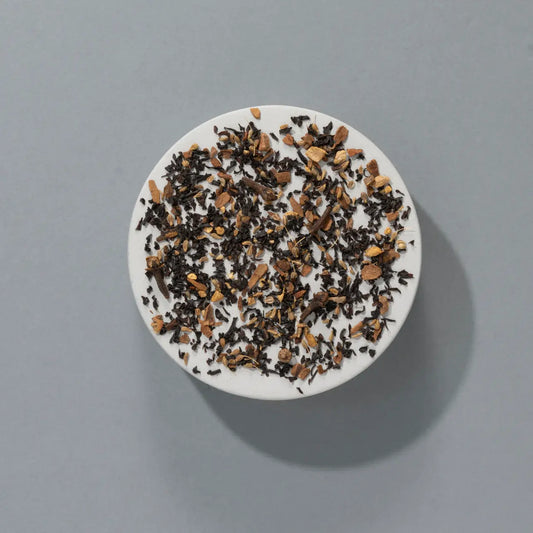
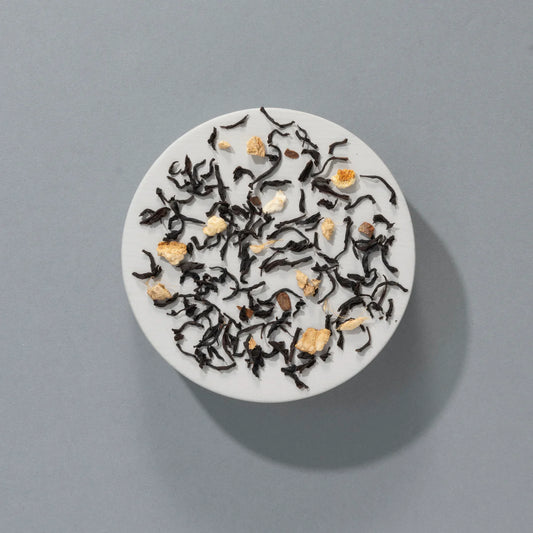
What’s the difference between loose-leaf black tea and tea bags? Loose-leaf tea usually consists of larger, whole leaves, offering a richer aroma and cleaner flavour. Many tea bags contain finely cut leaves or tea dust, which brew more strongly but with less complexity. At JAVA Coffee Roasters, you’ll find both high-quality loose-leaf teas and carefully selected tea bags filled with full-leaf tea.
Can black tea be brewed twice? Some high-quality black teas — especially loose-leaf varieties — can handle a second, shorter infusion. The flavour will be milder but still pleasant. Always use fresh hot water and reduce the brewing time for the second steep.
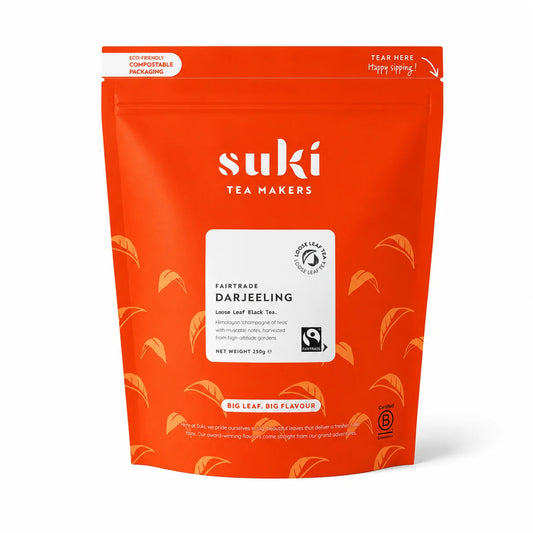
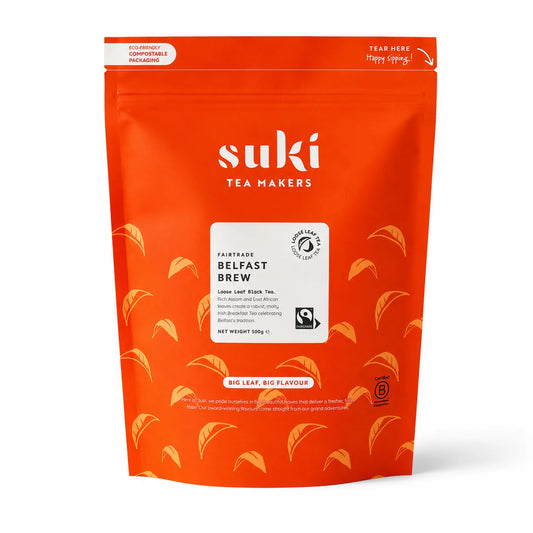
Black tea with milk, lemon, or plain — what’s best? It comes down to personal preference and the type of tea. Breakfast blends pair well with a splash of milk, classic Earl Grey is often enjoyed with a slice of lemon, while delicate Darjeelings show their character best when drunk plain, without additives.
How should black tea be stored to preserve its aroma? Store black tea in an airtight, opaque container, away from light, moisture, and strong odours such as spices or coffee. Proper storage helps preserve freshness and distinctive flavour notes — from the malty depth of Assam to the citrus-floral character of Darjeeling.
Which black tea is best to start with? For everyday drinking, classic breakfast blends and Ceylon teas are excellent choices — versatile, full-bodied, and suitable with milk. If you enjoy citrus notes, try Earl Grey with natural bergamot. For a more refined tasting experience, choose Darjeeling — light, floral, and highly aromatic.