Collection: Drip Filter Coffee

Filter coffee is a method for those who want to taste the bean in its purest form. Light, clear, with a well-defined aroma — it captures subtle notes that other methods can leave in the background. The brewing process asks for a moment of focus and precision, but rewards you with calm and a cup where everything is exactly where it should be.

  • Filter coffee is a filtration method built on a simple rhythm and a degree of attention. Ground beans are placed in a dripper — such as a V60 or Chemex — and hot water slowly passes through a paper filter, gradually drawing out flavour and aroma. It is a calm, repeatable process that gives you real control over the result: from the pace of pouring to extraction time.

    The right brewing accessories play a central role here:

    • a paper filter, which holds back most of the oils and fine particles — the result is a clean, light brew, free of the heaviness associated with other methods;
    • a dripper (such as a V60 or Chemex), which allows you to control water flow and extraction pace; and a server or carafe to collect the finished coffee.

    The result is a cup with a clean, well-defined flavour profile — no heaviness, but a clearly present aroma. In coffee brewed this way, it is easier to detect nuance: from citrus freshness and fruit through to delicate floral or tea-like notes.

    This brewing method is ideal if you want control over every stage of the process and the ability to shape the flavour of your cup consciously.

  • What does filter coffee taste like?

    Filter coffee is defined above all by lightness and clarity. Thanks to filtration, the brew is clean, without heavy body, and at the same time clearly aromatic. Instead of intense bitterness, there is a pleasant freshness — often described as a gentle acidity that gives the coffee energy and makes it feel more vibrant.

    In the cup, it is easy to pick out individual flavour notes that in other methods tend to blend together. Depending on the beans, you may detect citrus, berries or other fruit, as well as subtle floral accents. In more balanced profiles, chocolate notes also appear — lighter and more refined than in espresso.

  • Which coffee works best for drip brewing?

    For filter methods, light or medium roast coffees are recommended. This roast profile preserves the natural character of the bean and brings out what makes it interesting — freshness, aroma, and clearly defined flavour notes. In the cup, you are more likely to find fruity, citrus, or floral accents, which in a darker roast could be overshadowed by more intense bitterness.

    Light roasts work well with the filtration character of drip brewing — a light, clear brew lets you read the coffee and pick up the nuances that come from its origin and processing method. This is why single origin coffees perform particularly well in this method, such as JAVA COFFEE Kenya Rungeto Kii, with its pronounced fruit and tea notes.

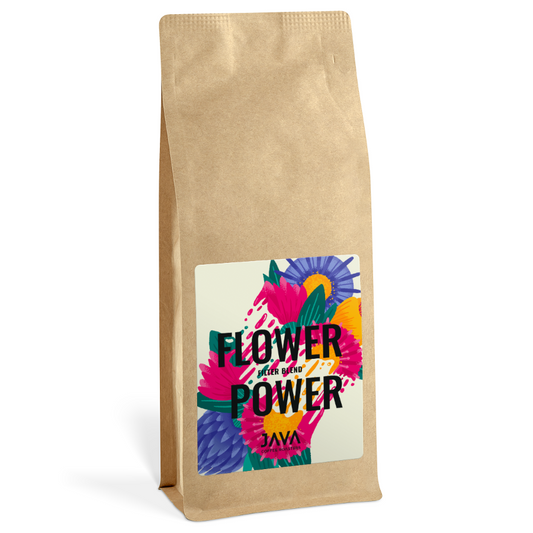
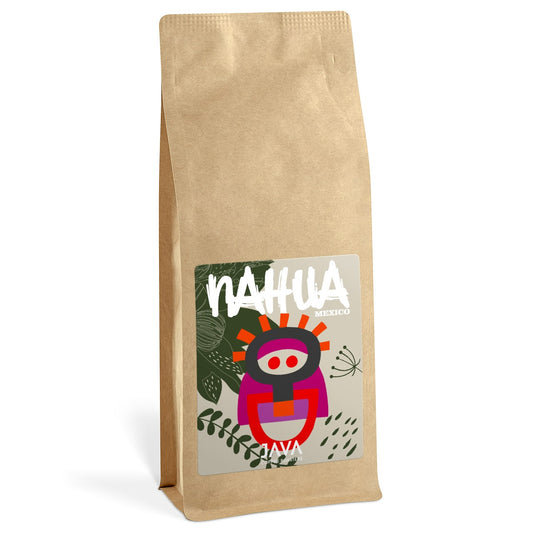
    If you are looking for a more balanced flavour, medium roast or omniroast coffees are a good choice — such as JAVA COFFEE Mexico Nahua, which combines fruity freshness with chocolate notes. For those who value lightness and consistency in the cup, blends created specifically for filter brewing are also worth exploring, such as JAVA COFFEE Flower Power, with its fruit and floral character.

    That said, there is no single correct answer. Drip brewing is a method that clearly shows the differences between beans — which is exactly why it is worth trying different profiles (for example through a tasting set) to find the one that suits your preferences best.

    Single origin or blend — which coffee to choose for filter brewing?

    The choice between single origin and blend depends mainly on what you are looking for in the cup. Single origin coffees — coming from one region or farm — let you explore the character of a specific bean more closely. They tend to be more complex, often showing fruit or floral notes more clearly, and they perform well in filter methods.

    Blends, on the other hand, are crafted to deliver a consistent and repeatable flavour profile. They are generally more balanced, less variable, and easier to enjoy day to day. A good choice if you value a stable flavour and a coffee that always tastes exactly as you like it.

  • How to brew filter coffee?

    Brewing filter coffee does not require complex equipment — just a few basic principles that will help you achieve a clean, balanced cup:

    • Grind size: medium or medium-coarse — similar in texture to coarse sugar.
    • Ratio: a good starting point is 6 g of coffee per 100 ml of water (for example 18 g to 300 ml).
    • Water temperature: around 93–95°C — just below boiling.
    • Brewing time: approximately 2.5–3 minutes, depending on the method and pouring pace.

    Start with these parameters, then adjust gradually — changing the amount of coffee, the pouring pace, or the extraction time. This way you can easily adapt the flavour to your preferences and bring out the best in the beans.

  • Where to buy freshly roasted beans for filter brewing? JAVA Coffee Roasters — coffee shop and more

    Looking for coffee for your dripper? Choose a trusted roastery that takes freshness and bean quality seriously.

    JAVA Coffee Roasters is a Warsaw-based roastery and online shop where you will find specialty coffees roasted to order — shortly before dispatch, which makes a real difference in the cup. You can also order whole beans delivered directly to your home or office address.

    JAVA Coffee Roasters is more than just coffee. The range also includes teas, plant-based drinks, and brewing accessories — from filters and drippers to grinders and add-ons that help you get the most out of your beans. If you want to go deeper, visit the coffee blog or join one of the workshops, where you can learn about the world of coffee and brewing methods from the ground up.

  • Frequently asked questions about filter coffee

    Which coffee works best for filter brewing?

    Light or medium roast coffees are most often recommended — they bring out fruity, floral, and tea-like notes. Filter methods show the character of the bean clearly, so quality single origins or well-crafted blends are worth seeking out. The choice ultimately comes down to your personal flavour preferences.

    How should I grind coffee for a dripper?

    A medium or medium-coarse grind works best for filter brewing — similar in texture to coarse sugar. Too fine a grind can slow down the flow of water and produce a bitter cup; too coarse can result in a brew that is too thin.

    How much coffee for filter brewing?

    A good starting ratio is around 6 g of coffee per 100 ml of water. You can adjust this easily to suit your taste — more coffee gives a stronger flavour, less gives a lighter and more delicate result.

    Why does filter coffee taste more "acidic"?

    It is less acidity and more natural freshness from the beans, especially with lighter roasts. In filter brewing, citrus and fruit notes come through more clearly, giving the coffee its characteristic lightness and character. If you prefer a softer profile, go for a medium roast.

    Can any coffee be brewed as filter?

    Most coffees can be brewed as filter, but those with a clean and well-defined flavour profile work best. The filtration method exposes the flavour of the beans directly, which makes bean quality particularly important here.

    How long should filter coffee brew?

    Standard brewing time is around 2.5–3 minutes, depending on the method and pouring pace. If the coffee comes out too bitter or too thin, a small adjustment to brewing time or grind size is usually the right fix.

    Can the same coffee be used for drip and other brewing methods?

    Yes — many coffees, particularly those with an omniroast profile, work well across different brewing methods. The key is adjusting grind size and parameters accordingly. It is worth noting that the same coffee can taste quite different brewed as filter versus espresso.