How much caffeine is in black tea?
A typical cup of black tea (about 200–250 ml) contains around 40–60 mg of caffeine. That’s less than coffee, but still enough to gently energize you, improve focus, and “wake up your mind” in the morning.
How do you brew black tea correctly?
The simplest method: 1 teaspoon of leaves per 200–250 ml of water, temperature 90–95°C, steep for 3–5 minutes.
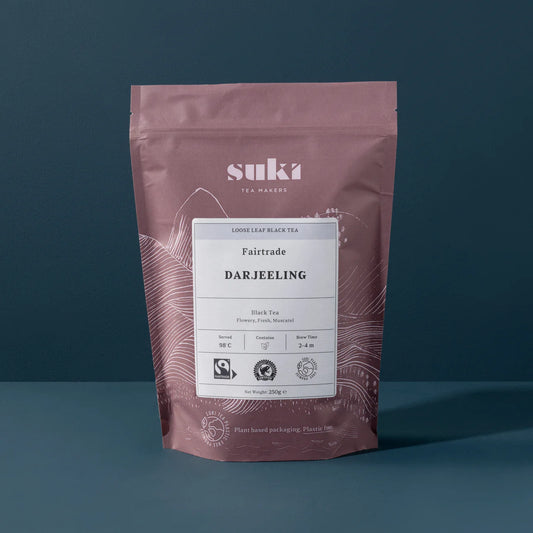
Delicate teas (like Darjeeling) prefer a shorter brew, while stronger breakfast blends can steep a bit longer. Remember: over-steeping increases bitterness.
Does black tea dehydrate you?
No — consumed in reasonable amounts, it does not “dry out” the body. Tea is mostly water, and the moderate caffeine content has only a mild diuretic effect. Unsweetened black tea can be part of your daily hydration, just like water or herbal infusions.
Can you drink black tea in the evening?
It depends on your sensitivity to caffeine. If afternoon coffee keeps you awake, choose a caffeine-free option in the evening (like fruit or herbal tea). If caffeine affects you mildly, a lightly brewed black tea after dinner usually won’t be an issue.
Is black tea healthy?
High-quality loose-leaf black tea contains polyphenols and antioxidants that help protect cells from oxidative stress. Unsweetened, it’s practically calorie-free, and when consumed regularly, it may benefit heart health and concentration. Just avoid adding excess sugar or syrups.
What’s the difference between loose-leaf black tea and tea bags?
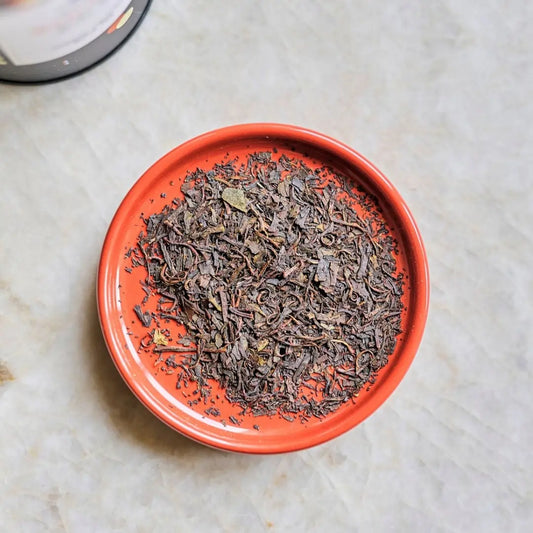
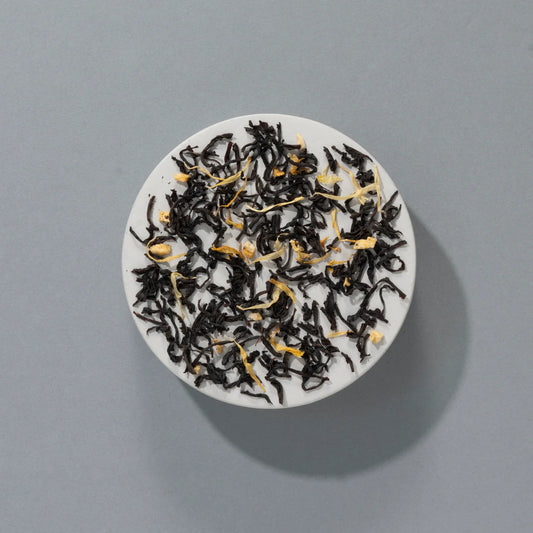
Loose-leaf tea typically contains whole, larger leaves with richer aroma and a cleaner flavor. Many tea bags contain finely cut leaves or tea dust — the infusion is stronger but less complex. At JAVA Coffee Roasters, you’ll find both high-quality loose-leaf teas and carefully selected bagged teas filled with full leaf.
Can you steep black tea twice?
Some high-quality black teas (especially loose-leaf) can be steeped a second time — the infusion will be milder but still pleasant. Experiment, but always use fresh hot water and shorten the steeping time for the second brew.
Black tea with milk, lemon, or “plain” — what’s best?
It depends on taste and the type of tea. Breakfast blends pair wonderfully with a splash of milk. Classic Earl Grey is often served with a slice of lemon. Delicate Darjeelings shine best when enjoyed plain, without any additions.
How should you store black tea to keep its aroma?
In an airtight, non-transparent container, away from light, moisture, and strong odors (like spices or coffee). Properly sealed tea retains freshness and its characteristic notes longer — from Assam’s maltiness to the citrus-floral tones of Darjeeling.
Which black tea should you start with?
For everyday drinking, classic breakfast blends or Ceylon teas work great — versatile, bold, and perfect with milk.
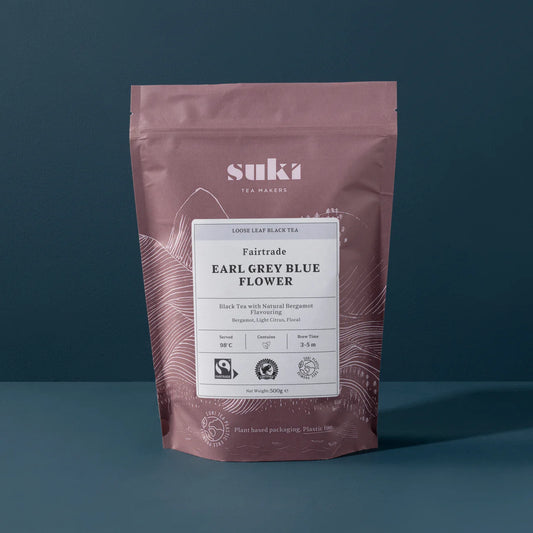
If you like citrus notes, choose Earl Grey with natural bergamot.
For a more “tasting-oriented” experience, try a Darjeeling — light, floral, and incredibly aromatic.