Collection: Soya plant-based drink — a delicious dairy alternative

  • Soy milk is one of the most interesting options when it comes to plant-based alternatives to regular cow’s milk. It is a 100% plant-based product, free from lactose and cholesterol, which is why it is gaining popularity among people following vegetarian and vegan diets, as well as among those looking for healthier substitutes for dairy. Such drinks are appreciated not only for ideological reasons or food allergies, but also for their nutritional values and taste qualities. More and more coffee and culinary enthusiasts are reaching for soy milk, appreciating its delicate flavor and health-friendly composition.

  • What are the characteristics of soy drink?

    Soy milk (commonly referred to as “soy milk” in everyday language) originates from China, with the first mentions dating back many centuries. It is obtained by soaking and grinding soybeans with water, then boiling the mixture and filtering it. The result is a watery extract from soybeans with a whitish color and smooth texture, resembling cow’s milk.

    Today, there is a growing trend toward seeking plant-based products that can replace those of animal origin. The reasons vary — from lactose intolerance, through ethical and environmental concerns, to the desire to diversify one’s diet with new flavors. Soy milk perfectly fits these needs, offering a plant-based equivalent of milk with a wide range of culinary uses.

  • Soy milk as a substitute for cow’s milk

    Soy milk is considered one of the best alternatives to cow’s milk. Its popularity comes from the fact that in terms of appearance, texture, and taste, it closely resembles traditional milk. It has a smooth, slightly creamy texture and a delicate flavor with a subtle nutty note.

    Thanks to this, it works perfectly wherever regular milk is used – from coffee and tea, to breakfast cereals, smoothies, and even baked goods. It’s worth choosing organic, unsweetened varieties, which contain no added sugar or artificial ingredients. Soy milk is a completely plant-based product, naturally lactose-free and cholesterol-free, making it suitable for people with food intolerances.

  • Nutritional properties of soy milk

    Soy is considered one of the most valuable plants in terms of nutrition, and soy milk retains many of its benefits.

    • High content of plant-based protein.
      Soy milk is rich in easily absorbable protein (about 3 g per 100 ml). Importantly, soy protein contains all essential amino acids, making it a complete substitute for animal protein.
    • Presence of dietary fiber.
      Unlike cow’s milk, soy milk provides fiber (approx. 0.42 g per 100 ml), which supports proper digestive function.
    • “Good” fats.
      Soy milk mainly contains beneficial unsaturated fatty acids, with only trace amounts of saturated fats. Fats derived from soy (including omega-6 and omega-3 ALA fatty acids) help maintain a healthy blood lipid profile and support heart health.
    • Vitamins and minerals.
      Soy milk contains vitamin E (a natural antioxidant) and B-group vitamins, as well as valuable minerals — especially calcium, iron, and zinc. Many soy drinks available on the market are also fortified with calcium and vitamins B12 and D.
    • No cholesterol.
      As a plant-based product, soy milk contains no cholesterol. Its consumption supports maintaining a healthy blood cholesterol level.
    • Lower calorie content.
      Soy drinks (especially unsweetened ones) contain fewer calories than whole cow’s milk, mainly due to their lower fat content — soy provides less fat overall, and it is mostly unsaturated.

    Thanks to its properties, soy milk is nutritionally comparable to cow’s milk. It can even be considered a healthier alternative, given its lower content of saturated fats and the absence of cholesterol and lactose.

    Soy also contains unique active compounds, such as isoflavones (natural antioxidants with phytoestrogenic properties), which offer a wide range of health benefits. Among other things, they help reduce inflammation in blood vessels and improve their elasticity, which translates into better blood circulation.

    All these qualities make soy milk a smart, health-conscious choice, helping to maintain proper cholesterol levels, healthy blood pressure, and overall cardiovascular well-being.

  • Soy Milk and Health – Facts and Myths

    There are many myths surrounding soy and soy-based drinks, especially concerning isoflavones — natural plant compounds classified as phytoestrogens. Their chemical structure indeed resembles estrogen, which in the past raised doubts, particularly about their potential influence on hormonal balance. However, according to current scientific research, moderate consumption of isoflavones (for example, from soy milk) is completely safe for both women and men. Moreover, studies show that isoflavones can bring measurable health benefits.

    It’s important to remember, however, that soy is one of the most common food allergens. In allergic individuals, it can trigger adverse reactions, so anyone who suspects an allergy should exercise caution and consult a doctor before introducing soy milk into their diet.

    People with thyroid disorders should also be cautious. Soy contains natural compounds known as goitrogens, which can affect iodine absorption. This mainly applies to individuals with existing thyroid issues or those who consume large amounts of soy products daily. In moderate quantities, as part of a balanced diet, soy drinks do not pose a risk to a healthy thyroid — especially when choosing fortified products enriched with iodine and other essential micronutrients.

  • Soy Milk as a Way to Diversify Your Diet

    Incorporating soy milk into your daily diet is a great way to add variety to your meals and discover new flavors. This product allows you to experiment with familiar recipes, creating plant-based and often lighter (lower-calorie) versions.

    It can easily replace cow’s milk in baked goods, desserts, or savory dishes — for example, you can make pancakes, fritters, pudding, or smoothies using soy milk. Such modifications make favorite dishes accessible to people who, for various reasons, have chosen or needed to give up dairy.

    Soy milk is also highly versatile, pairing well with both sweet and savory meals, enriching them with a subtle, slightly nutty flavor. Thanks to this, those following a plant-based diet can enjoy their favorite treats without compromise — whether it’s a morning oatmeal with soy “milk” or a favorite coffee topped with perfectly frothed, creamy foam.

  • Ways to Use Soy Milk – In Coffee and Beyond

    Soy milk has gained particular recognition in the world of coffee. Many baristas reach for it eagerly, looking for innovative, plant-based solutions suitable for customers following vegan or dairy-free diets.

    Well-prepared soy “milk” for coffee can beautifully highlight the flavor of espresso and create a perfectly balanced, harmonious composition. The key lies in the right formula — special barista editions of soy milk are enriched to ensure excellent frothing and smooth blending with coffee, without the risk of curdling.

  • How to Choose the Best Soy Milk for Coffee

    If you’re looking for the perfect soy milk for coffee, start by checking the ingredients list. The best plant-based drinks have a short, clean composition, free from unnecessary additives, refined oils, or artificial flavors. The main ingredients should include: water, soy (at least 8–10%), sea salt, and possibly natural stabilizers and vitamins. Avoid products with added glucose syrup or sugar – unsweetened soy milk is not only healthier but also pairs better with the flavor of coffee.

    If your goal is a flawless cappuccino or latte, choose the Barista version. These products are specifically designed for coffee, offering the right consistency, excellent frothing ability, and stability when mixed with acidic espresso.

    The secret lies in the carefully balanced formula – ingredients such as stabilizers (e.g., gellan gum) and acidity regulators like dipotassium phosphate (E340ii) help maintain a creamy texture even at high temperatures and in acidic environments.

    As a result, Barista soy milk foam is stable, silky, and long-lasting, giving your drink the look and taste of a true café-style coffee.

  • Why Does Regular Soy Milk Curdle in Coffee?

    One of the most common issues when mixing plant-based drinks with coffee, especially soy milk, is curdling. This occurs when, after adding milk to hot espresso, the drink begins to separate, forming unpleasant lumps and ruining the smooth texture of the coffee.

    There are two main reasons for this:

    • hot espresso usually exceeds 80°C (176°F),
    • espresso is naturally acidic, with a pH of around 4–5.

    Soy milk, being high in protein, is sensitive to the combination of heat and acidity. Under these conditions, soy proteins coagulate — much like when cooking an egg — which causes the curdling effect. That’s why if you plan to use soy milk with coffee, especially espresso-based drinks, it’s best to choose a Barista version. It not only improves the overall quality of the beverage but also prevents curdling, ensuring a smooth, creamy texture in every cup.

  • Soy Drinks in the JAVA Coffee Roasters Offer

    Responding to the growing demand for plant-based alternatives, we offer high-quality soy drinks designed both for coffee preparation and everyday use.

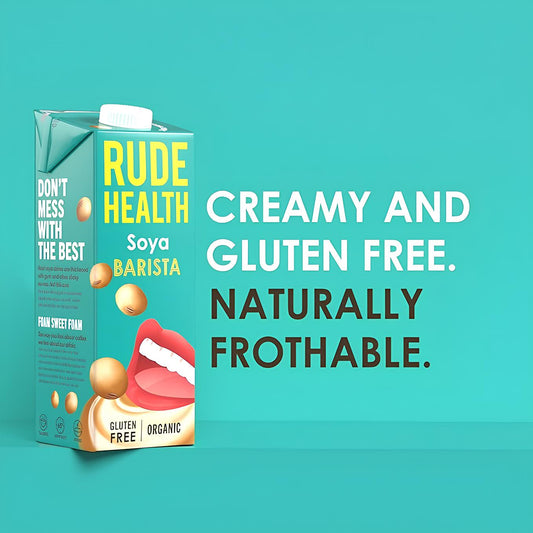
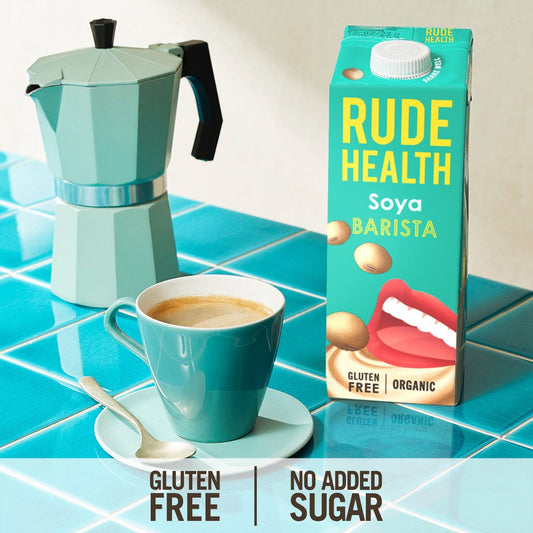
    • One of our top recommendations is Rude Health Barista Soy – an organic soy drink created especially for coffee lovers. Thanks to its refined recipe, it froths perfectly, allowing you to achieve a thick, velvety foam comparable to traditional steamed milk. It pairs beautifully with espresso, enhancing its flavor without overpowering it, while adding a pleasant creaminess to the cup. It’s an excellent choice for latte, cappuccino, and other coffee specialties, guaranteeing a fully plant-based yet indulgent experience.
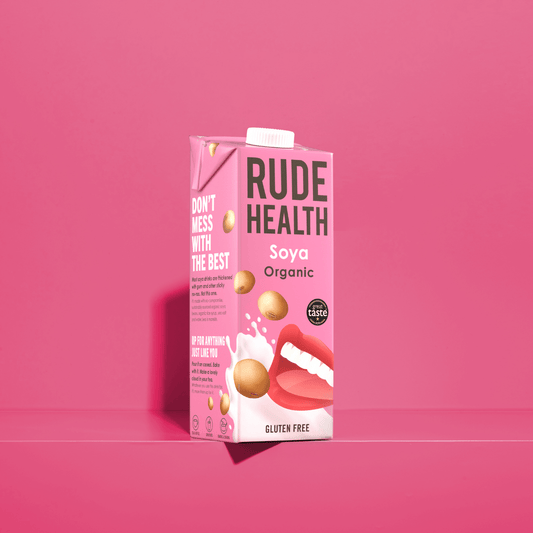
    • Another product in our selection is Rude Health Soy Organic – a classic organic soy drink with a naturally mild taste. It features a creamy texture and delicate flavor, making it a versatile option for everyday use. It’s a perfect choice for anyone seeking a healthy alternative to milk in their daily diet.

    This soy drink works wonderfully not only as an addition to coffee or tea, but also for breakfast cereals, muesli, oatmeal, smoothies, desserts, and baked goods – in short, any recipe where cow’s milk is typically used.

  • Napoje sojowe a środowisko

    Choosing soy milk is not just a dietary decision – it’s also a conscious step toward more sustainable consumption.

    The production of soy drinks has a significantly lower carbon footprint than cow’s milk – it requires much less water, energy, and farmland. It’s estimated that greenhouse gas emissions from producing one liter of soy milk can be up to 70% lower compared to animal-based milk.

    Importantly, the soy used to produce soy drinks comes mainly from crops grown for food – most often from Europe, Canada, and the USA – and is not connected to the controversial GMO soy production for animal feed in South America. By choosing organic soy drinks from certified producers, you support pesticide-free agriculture and directly help reduce the environmental impact of food production. It’s a small choice with a big impact – for your health and for the future of our planet.

    In summary, soy milk is a versatile and nutritious alternative to dairy milk – perfect both for coffee and for everyday cooking or baking.

    Its nutritional value (high in protein, vitamins, and minerals) and health benefits (no cholesterol, heart-friendly properties) make it an attractive choice for conscious consumers.

    If you’re looking for a plant-based alternative that lets you enjoy your favorite coffee with milk or prepare traditional dishes in a lighter, vegan version – soy milk will meet your expectations.

    It’s a delicious and smart choice, combining great taste with care for both health and the environment.