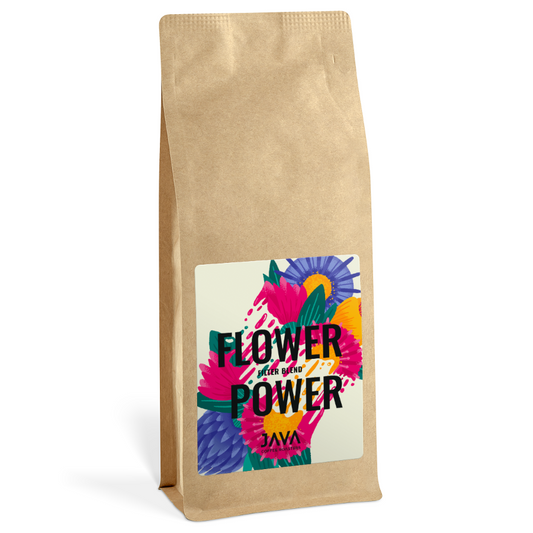
Collection: Floral Coffee — Specialty Beans with Floral Aroma

Floral coffee sits at the refined end of the specialty spectrum. Its aroma is not added or engineered — it is an inherent quality of the bean, shaped by variety, growing altitude, post-harvest processing, and the precision of the roast. In our range, you will find coffees where floral notes are genuine, distinct, and worth seeking out.

  • Where do floral notes in coffee come from?

    Floral aromas in coffee are primarily an expression of terroir — the combination of soil, altitude, microclimate, and native variety. The most pronounced floral profiles come from East African origins, particularly Ethiopia and Kenya, where indigenous Arabica varieties are naturally predisposed to notes of jasmine, rose, and orange blossom. Lighter, more tea-like floral notes also appear in selected coffees from Latin America — especially Colombia and Guatemala.

    Several factors shape the final aromatic character:

    • Bean variety — some cultivars carry floral potential by nature; others require exceptional growing conditions to express it
    • Growing altitude — higher elevations slow cherry development, concentrating delicate aromatic compounds
    • Post-harvest processing — natural and honey processes can amplify certain floral notes; washed processing tends to expose clean, unmasked florality.
  • Roasting — the make-or-break stage

    Floral aromatic compounds are among the most volatile in coffee — easily lost to excessive heat or extended roast development. For this reason, coffees with a floral profile are roasted light or light-medium. This preserves the bean's natural character and allows the aromas to express themselves in a way that a darker roast would erase entirely.

    Working with this type of coffee demands precision: a carefully managed temperature curve, correct timing at first crack, and disciplined development control. It is one of the more technically demanding roast profiles in specialty coffee.

  • How to brew floral coffee

    Brewing method has a direct impact on how clearly floral notes come through in the cup. Filter methods work best — they produce a clean, transparent brew that lets the aromatic complexity speak clearly:

    • Pour-over (V60, Chemex, Kalita Wave) — delivers a clear, light-bodied cup where floral notes are well-defined and front-facing
    • Aeropress (shorter extraction, lower temperature) — produces a slightly more concentrated result while preserving aromatic subtlety
    • French press — possible, though full immersion and the presence of oils can mask the more delicate floral elements

    Regardless of method, water quality matters. Hard tap water suppresses fine aromas. Use filtered or low-mineral-content water (TDS 75–150 mg/l) for best results.

    Recommended water temperature: 88–92°C — high enough to extract fully, low enough to avoid the bitterness threshold that flattens delicate notes.

  • Why floral coffees are valued by specialty drinkers

    Floral notes do not appear in commodity coffee. They are not the result of flavoring or additives — they are a natural property of the bean, present only under the right conditions. That is precisely why they are sought out by people looking for something beyond standard bitterness and generic roasted character.

    Floral notes pair well with fruit aromas — citrus, berries, tropical fruit — creating complex, layered profiles with real depth. They add lightness and a certain elegance to the cup, qualities that distinguish specialty coffee from everyday drinking.

  • Floral coffee at JAVA Coffee

    Our range includes carefully selected beans where floral notes are a genuine, prominent part of the cup profile — not a faint background trace, but a defining characteristic.

    One option is oBLEND — a blend of African and Latin American origins, where florality meets forest fruit, almond, and milk chocolate. 100% Arabica, light roast, available in multiple weights and grind options.