Collection: Traditional matcha

Traditional matcha is the kind you come back to. Balanced, versatile, good with water and even better in a latte — first and second harvest, with clear umami and natural sweetness, none of the sharp bitterness.

Every day, no ceremony required.

  • What is traditional matcha?

    Traditional matcha is powdered Japanese green tea made from first and second spring harvest leaves. It sits in the middle of the quality range — above culinary grade, below ceremonial — and is the most widely chosen grade for everyday drinking.

    Like all matcha, the leaves are shade-grown for several weeks before harvest, which preserves higher levels of chlorophyll and L-theanine than standard green tea. After harvesting, they are steamed, dried, destemmed, and stone-ground into a fine powder. The result is an intensely green, silky powder with a balanced flavor profile.

  • How does traditional matcha taste?

    Traditional matcha has a distinct, tea-forward character — deeper umami and slightly more bitterness than ceremonial grade, but without the sharp, grassy edge found in lower grades. It holds up well both with milk and with water alone. Intense enough to come through in a latte, mild enough to drink straight without sweetening.

    This is why traditional matcha is the grade most people settle into for daily use — more flexible than ceremonial, more flavor than culinary.

  • Traditional vs ceremonial matcha — which to choose?

    The choice comes down to how you plan to drink it. Ceremonial matcha comes exclusively from the first harvest, with a more delicate, creamy flavor — it is intended primarily for drinking with water alone, without anything added. If the full, uncut flavor is what you are after, ceremonial is the right choice.

    Traditional matcha works well in both directions — with water, and equally as the base for matcha latte, smoothies, and plant milk drinks. It is the more versatile option for those who want one matcha for everything. If you are looking for ceremonial grade, see our ceremonial matcha collection.

  • What is traditional matcha used for?

    Traditional matcha is the most versatile grade for everyday use:

    • With water — classic preparation with a chasen in a bowl, water temperature 75–80°C.
    • Matcha latte — with dairy or plant milk, hot or as an iced matcha latte.
    • Smoothies — a teaspoon added to a smoothie brings color and a clean tea flavor.
    • Cold drinks — matcha tonic, cold matcha latte, matcha with coconut water.
    • Baking and desserts — while culinary grade is more dedicated to the kitchen, traditional matcha works well in straightforward recipes.
  • Traditional matcha at JAVA Coffee

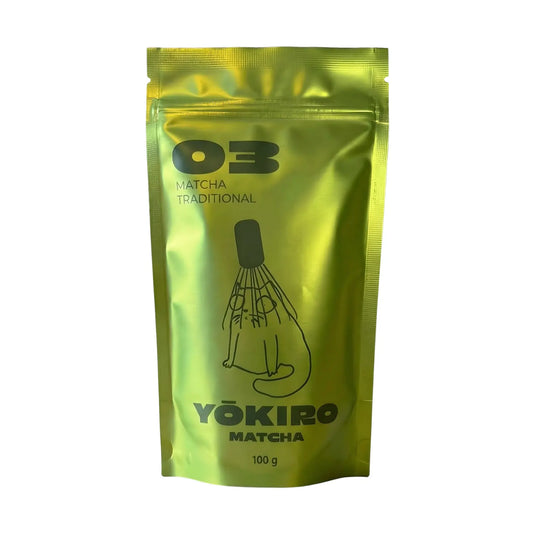
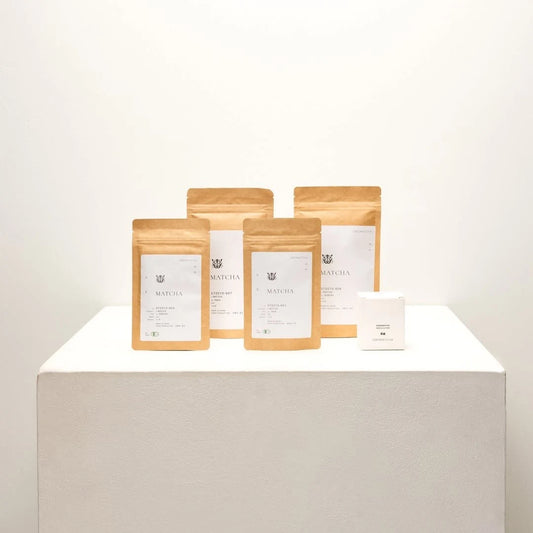
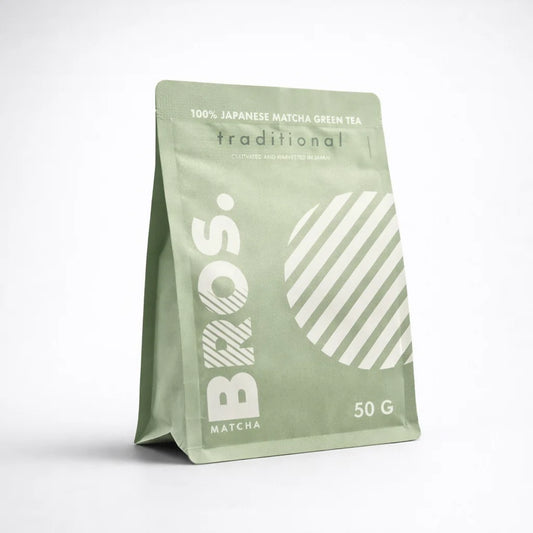
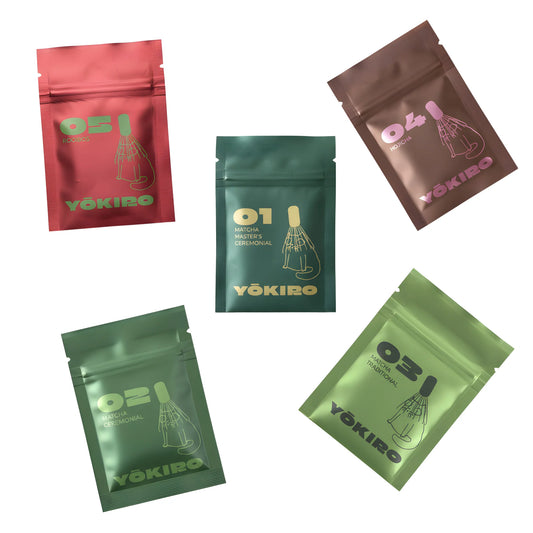
    This collection brings together traditional matcha from four brands with Japanese roots. Matcha Bros. Traditional is a first and second harvest Japanese matcha made for daily drinking and experimentation. Yōkiro Traditional 03 combines leaves from Aichi and Shizuoka prefectures — a balanced blend of delicacy and clear character. Oromatcha offers two options in this category — Noburu and Takai — both from Kagoshima, at different intensity levels.

    Not sure where to start? Yōkiro Traditional 03 is worth reaching for — organic, balanced, available in a small format that lets you try the flavor without a large commitment. For something more pronounced, .

    All you need to prepare traditional matcha is a bamboo chasen whisk and a bowl. Everything is available in the matcha accessories collection. If you are starting from scratch, take a look at our starter sets.