Matcha shows up almost everywhere today: in cafés, on social media, in home kitchens. But what exactly is this intensely green tea, where does it come from, and why is it so different from anything else we know as "brewing tea"? If you're just starting out with matcha, or want to understand it better, this article is for you. No hype, just what's actually worth knowing.
Table of Contents
- What is matcha? Definition and origin
- How matcha is made: from shading to stone grinding
- How is matcha different from regular green tea?
- What does matcha taste like?
- Types of matcha: ceremonial, traditional, everyday, culinary
- Matcha and caffeine: how does matcha's energy work?
- Matcha properties: what does the research say?
- How to prepare matcha: the basics
- How to choose matcha? What to look for
- Frequently asked questions
What is matcha? Definition and origin
Matcha is a finely ground powder made from green tea leaves (Camellia sinensis), produced from a raw material called tencha: leaves grown in the shade, hand-picked, and ground on traditional stone mills. Unlike classic leaf tea, matcha is consumed whole; the powder is whisked into water and drunk as a suspension, not strained off as a brewed liquid.

Although we call matcha a Japanese tea, its roots trace back to China, where powdered tea was already known during the Tang dynasty. A Buddhist monk brought this tradition to Japan in 1191, and Japanese Zen monks quickly turned it into a tool for focus during meditation.
For the full history of matcha, from the Song dynasty to the shading technique developed in Uji, see our article Where Does Matcha Come From? Growing Regions in Japan and Beyond.
Today matcha is produced mainly in Japan, in regions such as Uji (Kyoto), Nishio (Aichi) and Kagoshima. Its quality is regulated in part by the ISO 20715:2023 standard, which defines tea classification.
Did you know? The monk Eisai, who brought matcha to Japan in 1191, also wrote the first Japanese book on tea, Kissa Yōjōki ("Notes on Drinking Tea for Health"). In it, he argued that tea is a medicine for the whole body. His text, over 800 years old, is one of the earliest documents linking matcha with wellbeing.
How matcha is made: from shading to stone grinding
Matcha production starts weeks before harvest. Tea bushes are shaded, traditionally with bamboo mats or purpose-built structures that block sunlight, for 3 to 4 weeks. This is the key stage: limited photosynthesis slows the breakdown of L-theanine into bitter catechins, increasing the amino acid and chlorophyll content in the leaves. The effect is visible to the naked eye: the leaves turn a deep green, become more delicate, and gain a richer umami flavour.

After harvest, done by hand and selecting only the youngest, most delicate leaves, the raw material is steamed, dried, and stripped of stems and veins. What remains, called tencha, goes to the mill. Traditional stone mills grind tencha slowly and at a low temperature, preserving the full range of aromas, colour, and active compounds. One kilogram of tencha yields only about 30 to 40 grams of finished matcha powder.
It's exactly this process (shading, hand-picking, slow grinding) that separates real matcha from cheaper substitutes ground industrially, without any prior shading of the bushes.
How is matcha different from regular green tea?
The difference is fundamental, and it comes down to how the tea is actually consumed. Drink classic green tea, and you're only getting what the leaves released into the water: an extract of the soluble compounds. Drink matcha, and you consume the whole ground leaf. That means significantly more active substances reach your body, both the water-soluble ones and the insoluble ones held in the leaf's fibre.

Research confirms a real quantitative difference: EGCG (epigallocatechin gallate, the main antioxidant in tea) is present in matcha at levels significantly higher than in a brewed infusion from the same plant. This comes down to the way it's consumed: drinking matcha means drinking the whole ground leaf, not just what it released into the water during brewing.
Curious what the research actually says about matcha's properties? Check out Matcha Properties: What Does the Research Say?, put together by our expert!
The difference also shows up in flavour, colour, and texture. Matcha has a bold, vegetal profile with an umami note, qualities you won't find in a classic green tea infusion. Its intense green colour comes directly from its high chlorophyll content, which develops under shading.
What does matcha taste like?
Matcha tastes unlike anything else associated with traditional tea. It's dominated by umami: a deep, slightly salty, vegetal flavour that's hard to describe without tasting it. Alongside it comes natural sweetness and a smooth, creamy texture. Bitterness, when present, is mild and fades quickly. In a good matcha, it's barely noticeable at all.
Matcha's quality shows directly in its taste and colour. High quality means a bright, emerald or almost neon green colour, and a mild, creamy taste with clear umami sweetness. Low quality shows up as a yellowish or olive-tinted powder and a harsh, bitter taste, the result of leaves picked from later harvests or lower-quality cultivation.
Flavour is also shaped by grade and intended use. Ceremonial matcha, made from the first harvest, is the most delicate and sweet. Traditional and everyday matcha offer more character while staying good quality; they work equally well drunk plain or made into a matcha latte. Culinary matcha, from later harvests, has the boldest, most intense character, which makes it ideal for desserts and cocktails, but too strong to drink "neat."
Types of matcha: ceremonial, traditional, everyday, culinary
Matcha is graded by harvest, leaf quality, and intended use. The most common breakdown looks like this:
- Ceremonial matcha: the highest grade, made exclusively from the first spring harvest (Ichibancha). The leaves are the youngest, richest in L-theanine and chlorophyll. The colour is intensely green, almost neon. Flavour is mild and creamy, with a clear umami note and minimal bitterness. Ideal for traditional drinking, whisked into water with nothing added.
- Traditional matcha: from the first harvest or a blend of the first and second. Intensely green, with a sweet-umami flavour and light bitterness. Excellent both drunk plain and made into a matcha latte. The most commonly chosen option for people who drink matcha regularly.
- Everyday matcha: from the second harvest or a blend. A bolder flavour, less delicate texture, deep green but less vivid colour. Great for matcha lattes, cocktails, and everyday use, when flavour and quality matter more than ceremonial precision.
- Culinary matcha: from the second or third harvest. Colour is often olive-toned or darker. Flavour is intense, with pronounced bitterness. Meant for cooking and baking; it works beautifully in ice cream, cakes, desserts, and smoothies, where its character balances out sweet ingredients.

You'll find matcha across all these grades in our range, from ceremonial to culinary, from trusted Japanese producers. Browse our matcha collection to see the full selection.
Matcha and caffeine: how does matcha's energy work?
A single serving of matcha (about 2 g of powder) contains roughly 60 to 70 mg of caffeine (average ~63 mg), less than a typical cup of coffee (about 80 to 100 mg), but more than classic green tea. That number alone doesn't tell the full story, though, because matcha works differently from coffee.
The key is L-theanine, an amino acid naturally present in tea leaves, found at unusually high levels in matcha thanks to the shading process. Research shows L-theanine increases alpha-wave activity in the brain and may soften some of caffeine's effects, though there isn't strong evidence that it slows caffeine's absorption in the gut. The result of this combination is often a state Zen monks in Japan have known for centuries: calm focus, alertness without jitteriness.

Clinical research backs this effect up. A randomised controlled trial found that combining caffeine and L-theanine improves accuracy and speed on cognitive tasks, and reduces perceived fatigue, compared with placebo or caffeine alone. Other research shows L-theanine on its own increases alpha-wave brain activity, associated with a state of calm alertness.
For many people, this is one of the main reasons they reach for matcha instead of coffee, especially when they want focus without the tension, or the later energy dip, that can come with coffee.
Also worth reading: How Long Does Caffeine Last? Coffee and Tea Effects
Matcha properties: what does the research say?
Matcha contains four active compounds that set it apart from other drinks: EGCG (the main antioxidant from the catechin family), L-theanine (an amino acid linked to calm focus), caffeine, and chlorophyll, responsible for its intense green colour. What sets matcha apart from classic green tea is concentration: you're drinking the whole ground leaf, not an infusion.
The best-documented effect is the synergy between L-theanine and caffeine: calm, steady energy without a sudden crash. Research also points to a possible effect on LDL levels, metabolism, and sleep quality, though these findings still need confirmation in larger clinical trials. For daily use, 1 to 2 servings a day (roughly 2 to 4 g of powder) is generally recommended.
Want the full picture: the actual studies, the numbers, and an honest take on where the evidence is weaker than the marketing suggests? Read our article: Matcha Properties: What Does the Research Say?

How to prepare matcha: the basics
Making matcha is simpler than it looks. Three basic methods:
- Traditional method (chasen): sift 1.5 to 2 g of powder through a matcha sieve into a matchawan bowl. Add a small amount of water at 75 to 80°C, not boiling, since high heat destroys the delicate aromas and L-theanine. Whisk with a bamboo chasen in "M" or "W" motions for about 30 seconds, until a smooth, lightly foamy suspension forms. Top up with water to about 100 to 150 ml.
- Milk-frother method: sift the powder into a mug, add a splash of warm water, and froth for a few seconds. Top up with water or milk to the volume you want. The simplest method for everyday use.
- Shaker method: add the powder directly to a shaker or bottle of water and shake vigorously for 30 seconds. Great for cold matcha or an iced matcha latte.

You'll find a detailed guide to brewing techniques, ratios, and common mistakes in a separate article. If you're just starting out, it's also worth browsing our matcha accessories collection: chasen, chashaku, bowls, and sieves that genuinely affect the texture and taste of the drink.
Wondering what to make with matcha first? Check out Warm Coconut Matcha: A Simple Ritual, put together by our expert!
How to choose matcha? What to look for
Choosing matcha can feel overwhelming the first time you encounter the market. A few pointers to help you make an informed decision:
- Colour: good matcha has an intense, vivid green colour. A yellowish or olive tint in the powder points to lower-quality raw material or improper storage.
- Origin: the best matcha comes from Japan. Certified Japanese farms from regions like Uji, Nishio, or Kagoshima guarantee both production tradition and quality control. Cheaper matcha from China can be suitable for cooking, but differs in flavour profile and composition.
- Certifications: if you want certainty about composition, look for products with an organic certification, Japanese JONA or a European one such as AgroBioTest. This means no pesticides and full control over the production process.
- Intended use: for drinking plain, choose ceremonial or traditional matcha. For matcha lattes and everyday use, traditional or everyday matcha is enough. For cooking and baking, reach for culinary matcha; there's no reason to pay for ceremonial quality if the matcha is going into a cake.

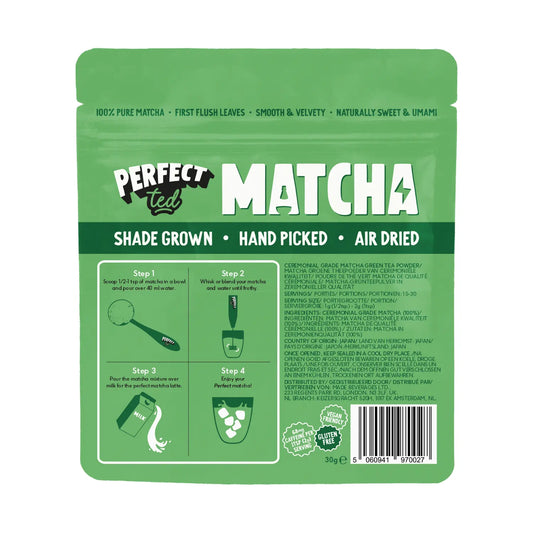
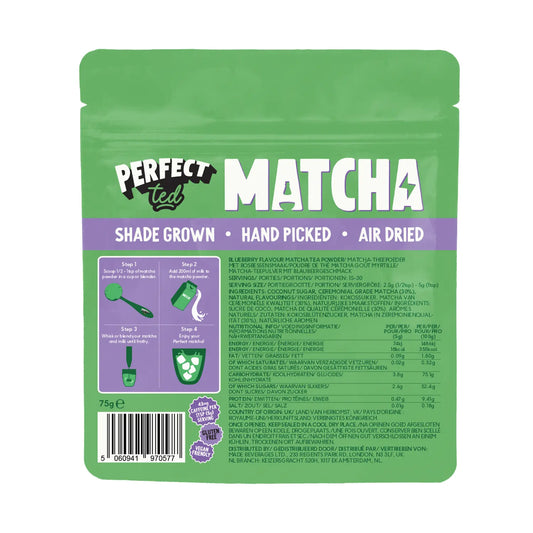
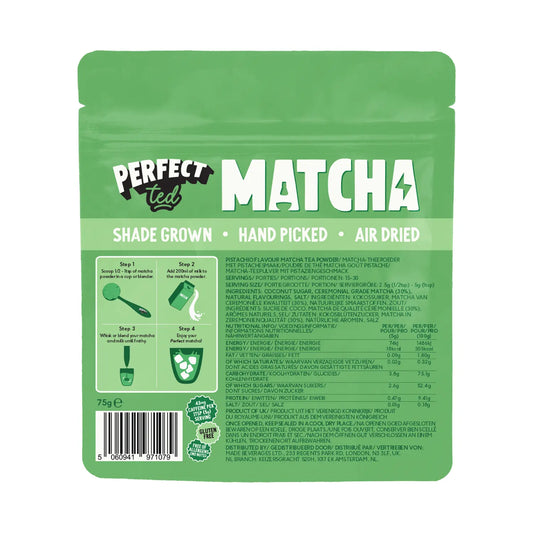
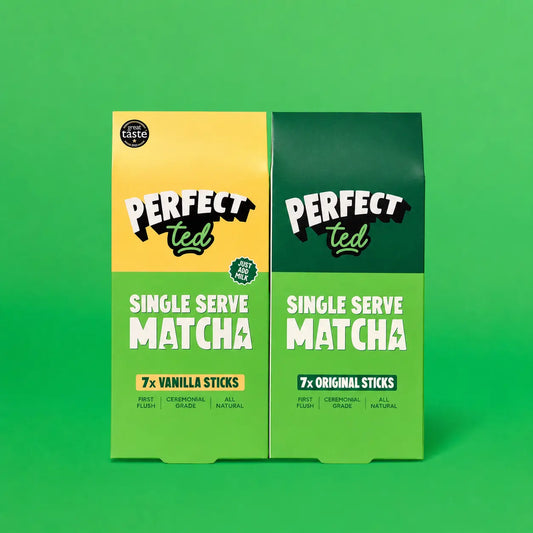
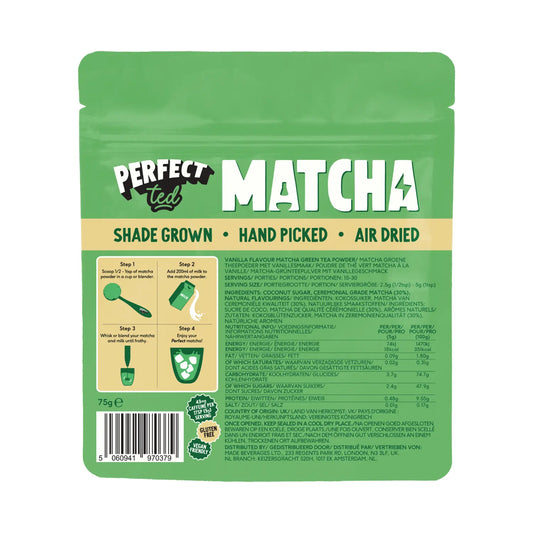
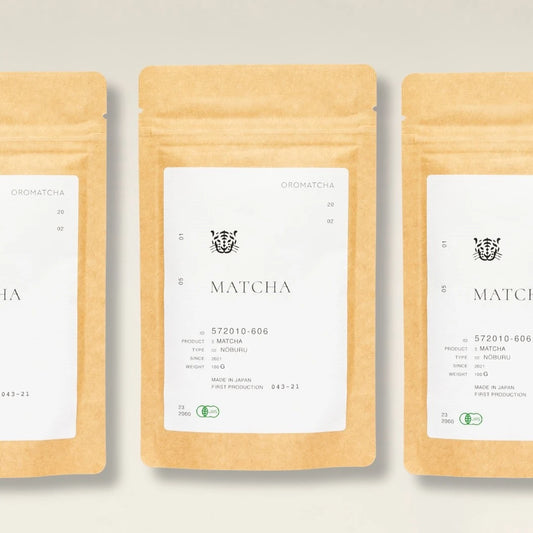
At JAVA Coffee, you'll find matcha from certified Japanese farms across several grades and from a handful of trusted producers: Matcha Bros, Oromatcha, Yōkiro, and PerfectTed. Each brand has a slightly different character and flavour profile. Browse our collection and pick the matcha that fits what you're looking for.
Also worth reading: Coconut Matcha: Easy, Tested Recipes
Frequently asked questions
What is matcha?
Matcha is a finely ground powder made from green tea leaves (Camellia sinensis), produced from shaded, hand-picked tencha leaves. Unlike classic tea, matcha is consumed whole; the powder is whisked into water rather than brewed and strained.
What does matcha taste like?
Matcha has a distinctive umami flavour: vegetal, lightly sweet, creamy, with a gentle bitterness. High-quality matcha is mild and almost free of bitterness. Low quality means a sharper, more bitter profile.
How much caffeine does matcha have?
A serving of about 2 g of matcha contains roughly 60 to 70 mg of caffeine (average ~63 mg). Thanks to L-theanine, the resulting energy is often described as gentler and more stable than coffee's, though there isn't strong evidence that L-theanine slows caffeine's absorption.
What's the difference between ceremonial and culinary matcha?
Ceremonial matcha comes from the first harvest, with an intensely green colour and a mild, creamy taste, ideal for drinking plain. Culinary matcha comes from later harvests, with a bolder taste and an olive-toned colour, meant for cooking and baking.
How should matcha be stored?
Store matcha in a sealed container, away from light, heat, and moisture, ideally in the fridge. Matcha is sensitive to oxidation and loses colour and aroma quickly if stored improperly.
Can you drink matcha every day?
Yes. The recommended amount is 1 to 2 servings a day (roughly 2 to 4 g of powder). People sensitive to caffeine, or with iron deficiencies, should be cautious. Matcha isn't recommended in large amounts for pregnant or breastfeeding women.
How do I choose my first matcha?
Traditional or everyday matcha is the best place to start: gentler than ceremonial, while still good quality. If you're mainly planning to use it for matcha lattes, everyday matcha is more than enough. To explore quality differences, a sample set is a good starting point.
Want to know more about preparing matcha step by step? Let us know in the comments how you drink your matcha, or what else you'd like to learn. And if you're looking for matcha that fits your needs, browse our collection: you'll find ceremonial, traditional, everyday, and culinary matcha from trusted Japanese producers.
Sources
- Kochman J. et al., Health Benefits and Chemical Composition of Matcha Green Tea: A Review, Nutrients, 2021. PMC7796401.
- Keenan E.K. et al., The therapeutic potential of matcha tea: A critical review on human and animal studies, Current Research in Food Science, 2022. PMC9792400.
- Unno K. et al., Stress-Reducing Function of Matcha Green Tea in Animal Experiments and Clinical Trials, Nutrients, 2018. PMC6213777.
- Dietz C. et al., An intervention study on the effect of matcha tea, in drink and snack bar formats, on mood and cognitive performance, Food Research International, 2017.
- Sakurai K. et al., Effect of matcha green tea on cognitive functions and sleep quality in older adults with cognitive decline, PLOS One, 2024.
- International Organization for Standardization, ISO 20715:2023 — Tea: Classification of tea types.
- Wikipedia, Matcha, 2025 update — history, production, cultural context.