Almond milk is a great addition to coffee, and a solid replacement for regular cow's milk. It's a good choice for vegans and for anyone looking to cut back on dairy. It also works as a substitute for people with lactose intolerance or a milk protein allergy. On top of that, it pairs well with coffee and is low in calories. Like other plant-based drinks, almond milk comes with a number of valuable properties.
Table of contents
- Why Is Almond Milk a Great Choice for Coffee?
- Valuable Properties
- Versatile Uses
- Which Almond Milk Works Best for Coffee?
- Rude Health Almond and Rude Health Almond Barista
- Frequently Asked Questions
Why Is Almond Milk a Great Choice for Coffee?
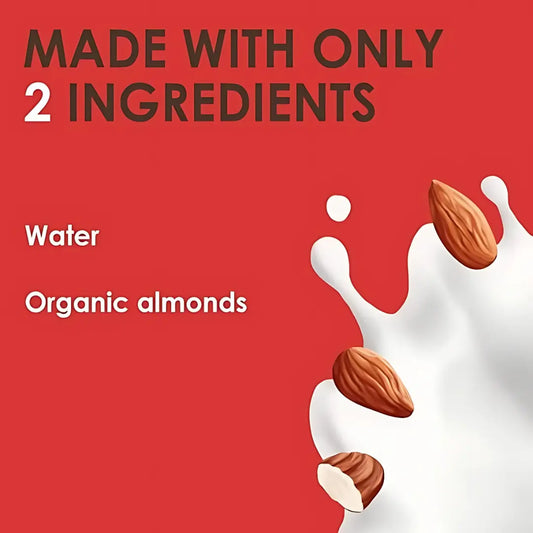
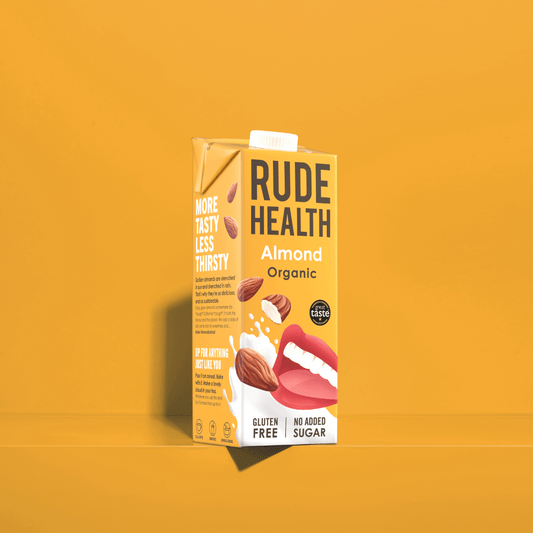
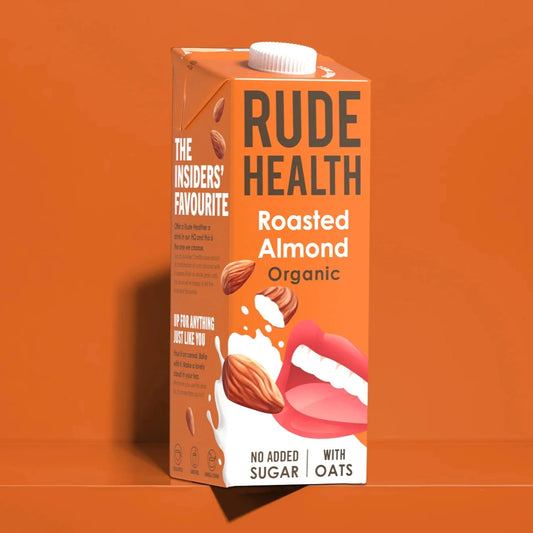
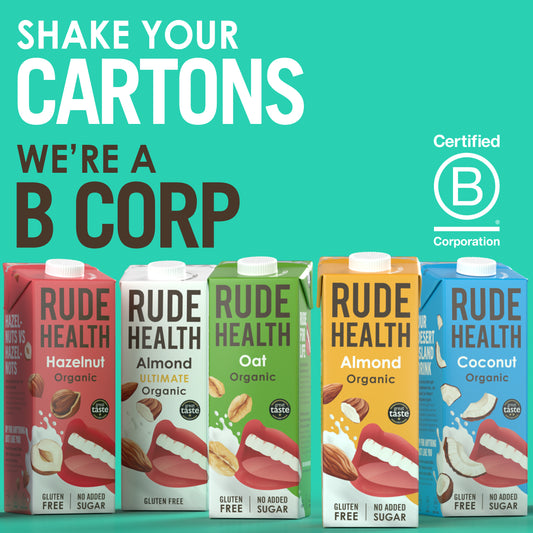
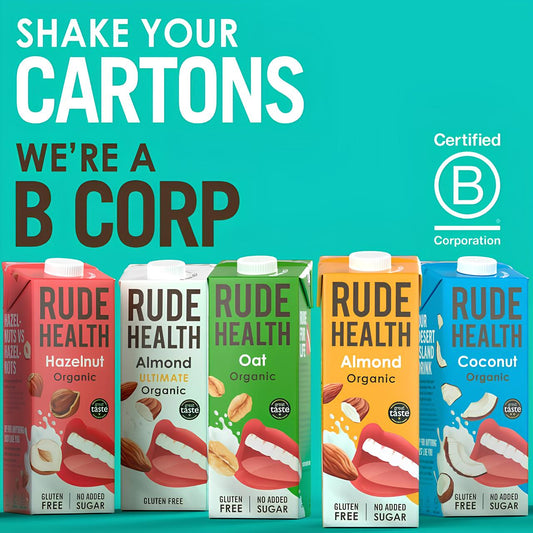
Almond milk for coffee (marketed in the EU as "almond drink") is becoming increasingly popular thanks to its many benefits. You'll also find it in our roastery's online shop, JAVA Coffee Roasters. It stands out for its clean composition — made from a high-quality blend of almonds and spring water, along with natural additions. The finished product has a lightly creamy, smooth texture. In our shop, we carry almond drinks from Rude Health, a brand known for its eco-conscious approach to production. Their products are based on 100% organic ingredients, so they contain no artificial thickeners or synthetic flavor enhancers.
Valuable Properties
Almond milk contains vitamins and nutrients, which means it can be a useful addition to your daily diet. It contains vitamins B, D, and E, along with magnesium, potassium, and calcium. It also contains antioxidants, which help fight free radicals in the body. Unsaturated fatty acids, present in almond milk, play a role in managing cholesterol levels. It provides some protein while staying low in fat, which makes it low in calories — one reason it's popular with people managing their weight or staying active in sports. Almond milk also contains fiber, which supports digestion, helps the body clear toxins, and contributes to a feeling of fullness after meals.

Versatile Uses
This plant-based drink made from almonds is a popular alternative to cow's milk. Its nutritional value makes it worth including in your everyday diet. Its bold, nutty flavor is also part of the appeal. It works well as a versatile addition in the kitchen, replacing cream or milk in coffee and lending it a distinctive taste. Almond milk can also be enjoyed on its own — it's refreshing and hydrating, with no need to add sweeteners or sugar. It pairs well with a range of dishes and desserts, and works nicely in oatmeal, porridge, smoothies, and baking.

Which Almond Milk Works Best for Coffee?
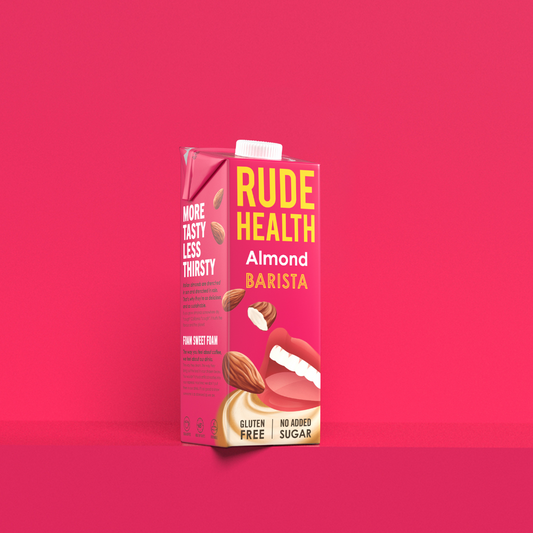
Almond milk for coffee should above all be natural, without unnecessary additives. Rude Health products meet that standard, since they're based entirely on organic ingredients. The Almond Barista variant is the best fit as a coffee addition — it froths well when heated, which people making milky coffee drinks at home appreciate. It's worth remembering that alternatives to cow's milk can be based on other raw materials too. In our online shop you'll also find plant-based drinks made from yellow peas, coconut, soy, oats, rice, and other nuts — from well-regarded brands like SPROUD, (UN)ORDINARY, and MINOR FIGURES.
Rude Health Almond and Rude Health Almond Barista
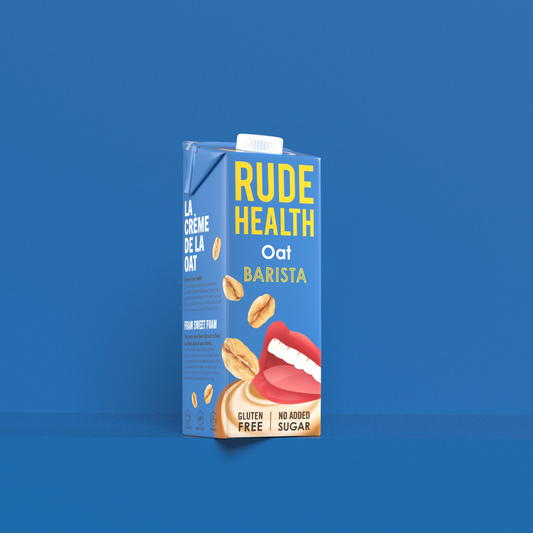
The standard Rude Health Almond drink has a simple composition: almonds, spring water, rice, sea salt, and cold-pressed sunflower oil from organic farming. It has a natural flavor and a lightly creamy texture. The crushed almonds, sourced from organic farms in Italy, blend well with mountain spring water. Rice contributes a natural, silky sweetness, while a touch of sea salt balances it out. Rude Health Almond Barista is the version designed for baristas, and works well in lattes or cappuccinos. This version isn't limited to coffee, either — it also works well in tea. It combines roasted almonds with gluten-free oat flakes, which gives it a creamy texture.
Frequently Asked Questions
Does almond milk go with every coffee?
Almond milk pairs best with coffees that have chocolate, nutty, caramel, or cocoa notes, since its subtly nutty flavor complements similar notes in espresso. With very light, citrusy beans, the combination can taste sharper or less balanced. A good starting point is a medium-roast coffee from Brazil or Colombia, or a balanced espresso blend — you can adjust from there to match your taste.
Why does almond milk sometimes curdle or separate in coffee?
This is usually caused by a big temperature difference and coffee's acidity, both of which destabilize the drink's structure. To reduce separation, warm the almond milk gently rather than boiling it, let your espresso rest for a few seconds before combining, and pour the milk in gradually. Barista versions are formulated for better stability in hot coffee.
How do you froth almond milk for cappuccino or latte?
A well-chilled Barista variant, formulated for heating and combining with espresso, is easiest to froth. Shake the carton before use. When frothing, first introduce a little air, then create a steady whirlpool to build a fine, creamy foam. Don't overheat it — too high a temperature affects both flavor and how long the foam holds. Regular almond milk can also be frothed, but the result tends to be lighter and dissipates faster. Barista formulations vary between brands, so it's worth checking the label.
Is sugar-free almond milk better for coffee?
Usually yes, if you want to preserve the natural flavor of the beans and control sweetness yourself. It's worth distinguishing "no added sugar" from "sugar-free," though — the drink may still contain sugars naturally present in almonds, oats, or rice. Check both the ingredients list and the "of which sugars" line on the nutrition label.
How many calories does coffee with almond milk have?
There's no single fixed number, since almond milk varies a lot in composition and calorie content between brands. The simplest way to calculate it is to take the value listed per 100 ml and multiply it by the amount used in your coffee. For 150 ml, for example, multiply by 1.5, then add any sugar, syrup, or other additions. In practice, the type and amount of plant-based drink used has a bigger effect on a latte's calorie count than the espresso itself.
Does almond milk contain lactose, gluten, or allergens?
Almond milk is naturally lactose-free and contains no milk proteins, but almonds are a tree nut allergen. Anyone with an almond or other nut allergy should check the warnings on the packaging. Gluten content depends on the recipe — a product made purely from almonds can be gluten-free, while a version with added oats should be clearly labeled as using gluten-free oats. Always check the label of the specific product.
Are "almond milk" and "almond drink" the same thing?
In everyday language, both terms usually refer to the same type of plant-based product. On packaging sold in the EU, though, the term "almond drink" is used, since the word "milk" is legally reserved for products of animal origin. Regardless of the name on the label, it's worth checking the ingredients, since the amount of almonds, sugars, and additives can vary considerably between products.
Read more about:
- Soy Milk for Coffee – Properties and Uses (EN URL not yet confirmed)
- Plant-Based Milk for Coffee – Which to Choose and How It Affects Flavor (EN URL not yet confirmed)
- Sugar-Free Plant-Based Drinks – A Healthy Alternative for Coffee (EN URL not yet confirmed)
- Sproud Plant-Based Milk – An Alternative to Traditional Milk in Coffee (EN URL not yet confirmed)