Classic espresso is loved for its intensity, but not everyone wants their coffee moment to end after just a few sips. That's exactly why espresso lungo exists – a drink that keeps the character of Italian espresso while offering a larger volume and a slightly different flavour profile. For many people, it's the perfect middle ground between a strong espresso and a large cup of black coffee. Let's look at what espresso lungo is and how to prepare it at home.
- What is espresso lungo?
- Espresso lungo vs. espresso – key differences
- How does espresso lungo taste?
- How to make espresso lungo?
- Espresso lungo, americano, or black coffee – what's the difference?
- Who is espresso lungo best suited for?
- Which beans should you choose for espresso lungo?
- Espresso lungo – a way to get to know the beans more fully
- Frequently asked questions
What is espresso lungo?
Espresso lungo is one of the classic Italian coffees prepared on an espresso base. The name comes from the Italian word lungo, meaning "long." In practice, it's espresso brewed with more water, giving the drink a larger volume and a somewhat different flavour profile than its traditional counterpart.
Did you know? The history of espresso lungo is closely tied to the development of Italian espresso culture in the early 20th century. Not everyone liked the intense, small cup — some customers wanted a bigger serving. In response, baristas began extending extraction time, letting more water pass through the ground coffee. That's how espresso lungo was born.
Over time, lungo became a permanent fixture on the menus of Italian cafés, and it later gained popularity in other European countries too. Today it can be found both in traditional cafés and on the menus of modern specialty coffee roasteries.

Espresso lungo vs. espresso – key differences
Both espresso and espresso lungo are made from the same beans using the same machine, and yet the end result is completely different.
| Feature | Espresso | Espresso lungo |
|---|---|---|
| Yield | 25–35 ml | 50–70 ml |
| Extraction time | 25–30 seconds | 35–50 seconds |
| Flavour intensity | very high | moderate |
| Caffeine content | high | slightly higher |
| Bitterness | moderate | more pronounced |
The most important difference lies in the extraction time. Longer contact between water and coffee draws out more flavour compounds, including those responsible for bitterness.
Also check: How to Make the Perfect Espresso at Home? Brewing, Bean Choice, and Common Mistakes
How does espresso lungo taste?
The taste of espresso lungo can be described as more developed and less concentrated than classic espresso. The cup shows clearer notes of dark chocolate, cocoa, nuts, or spices, especially when beans with a dark or medium roast are used. At the same time, the coffee is less intense on first contact, since the larger amount of water dilutes some of the flavours present in espresso.

It's also worth noting that the beans themselves play a big role in the flavour of espresso lungo. Specialty coffees with a fruity flavour profile can reveal a completely different side of themselves in lungo compared to classic espresso, unveiling more subtle aromas.
How to make espresso lungo?
To make espresso lungo you need good-quality coffee and a pressure espresso machine. The basic ratios are:
- about 7–10 g of ground coffee - ground slightly coarser than for classic espresso,
- 50–70 ml of brewed coffee,
- extraction time of 35 to 50 seconds.
Many modern automatic machines have a dedicated lungo function. The machine automatically extends the extraction process, adjusting the water volume to the chosen drink. With manual/lever machines, it's worth controlling the brew time yourself to find the ratio that best suits your preferences.

Common mistakes when preparing lungo
The biggest mistake is treating lungo like watered-down espresso. If you simply add hot water to a finished espresso, you get an americano, not a lungo. The drink's flavor is also negatively affected by:
- too fine a grind, which, combined with the longer extraction, leads to over-extraction and excessive bitterness in the brew,
- an excessively long extraction time, which lets too many bitter and astringent compounds into the cup – it's best to stay within the 35–50 second range,
- using old or stale beans that have lost much of their aroma – it's worth choosing freshly roasted coffee and using it within a few weeks of opening the bag,
- incorrect water temperature – water that's too hot emphasizes bitterness, while water that's too cool gives a flat, under-extracted brew; the optimal range is around 90–96°C.
See also: How Many Coffees Can You Brew from 1 kg of Whole Bean Coffee?
Espresso lungo, americano, or black coffee – what's the difference?
At first glance, espresso lungo may resemble an americano or a small cup of traditional black coffee. In reality, though, these are three different drinks made in different ways, offering completely different taste experiences. The brewing method and how the water is used are what matter most here.
| Drink | Preparation method |
|---|---|
| Espresso lungo | longer extraction of the same coffee dose |
| Americano | espresso with added hot water |
| Filter coffee | brewed using the filter method |
Americano usually has a milder taste than lungo, since it doesn't undergo extended extraction. Filter coffee, on the other hand, has a larger volume and often a more complex aromatic profile. If you value the intense character of espresso but want to enjoy your cup for longer, lungo may be the best choice for you.

Check: How to Start Your Journey with Specialty Coffee?
Who is espresso lungo best suited for?
Espresso lungo will especially appeal to people who:
- enjoy black coffee without milk,
- find classic espresso too intense,
- are looking for a middle ground between espresso and a large coffee,
- want to draw out more flavour from high-quality beans.
It's also a great choice for the morning, when you need a bigger dose of caffeine but don't feel like a large mug of filter coffee.
Which beans should you choose for espresso lungo?
Bean quality matters enormously for the taste of lungo. Since extraction lasts longer than with classic espresso, both sweetness and fruity, chocolatey, or spicy notes come through more clearly in the cup. That's why it's worth reaching for coffees that maintain a balance between intensity and aromatic complexity.
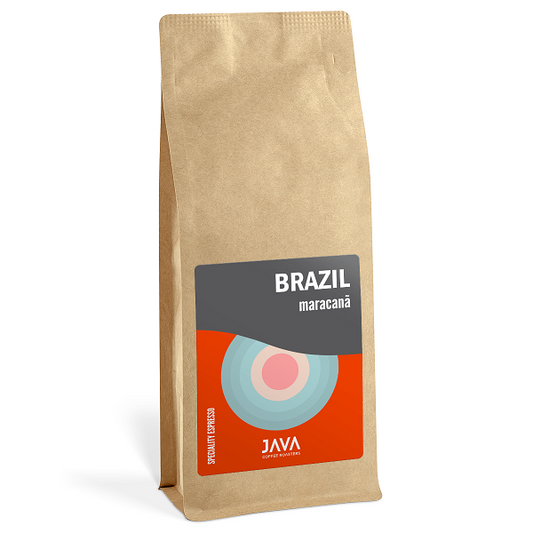
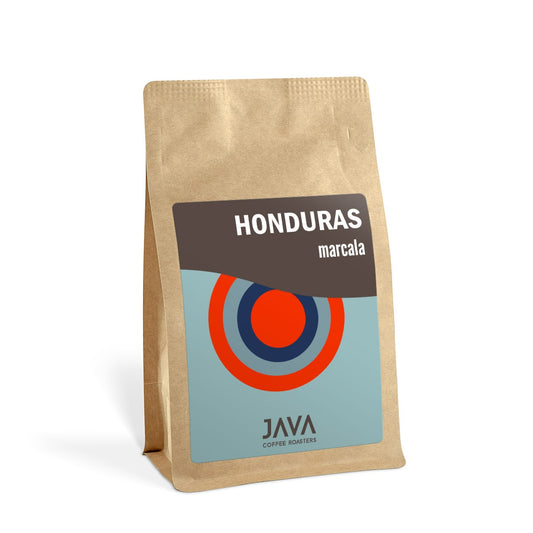
If you prefer classic, more dessert-like flavours, a good choice is Brazil Maracana, dominated by notes of dark chocolate, orange, and roasted nuts. Equally well-suited to espresso lungo is Honduras Marcala, offering accents of chocolate, brown sugar, and dried fruit. Coffees like these deliver full body and pleasant sweetness even with a longer extraction.
Those who enjoy more complex, fruity flavour profiles can reach for Bali Kintamani – its citrus freshness and deep cocoa sweetness, with a note of ripe raisins in the finish, gain clarity with the longer lungo extraction – or Burundi Ninga, prepared specifically with espresso in mind – its juicy notes of currant and gooseberry, combined with the sweetness of caramel and milk chocolate, create a multi-dimensional, long finish. The longer brewing time characteristic of lungo draws out even more fruity nuances from these beans.

For lovers of more intense, drier flavours, JAVA Coffee Roasters recommends the specialty coffee Indonesia Buana Mandiri Organic, which combines elegant orange bitterness, juicy black cherry, and a spicy clove finish. Its dry, spicy, and clean profile shows particularly well in espresso lungo, delivering a bold, expressive cup.
If you're just starting your journey with lungo, another great choice is Sweet Kick Espresso Blend. This blend was created with espresso in mind, offering notes of forest fruit, milk chocolate, cocoa, and Assam tea, staying balanced in both classic espresso and its extended version.
Whatever flavour profile you choose, it's worth remembering that freshly roasted beans let espresso lungo reveal its full range of aromas and show a whole new side of specialty coffee.
Check: What Is the Best Coffee for an Espresso Machine?
Espresso lungo – a way to get to know the beans more fully
Espresso lungo is a coffee for those who appreciate the character of espresso but prefer a larger volume and a somewhat gentler way of tasting it. The longer extraction draws additional flavour notes out of the beans, giving lungo a completely different experience than classic espresso. Well-chosen, freshly roasted beans let lungo deliver what neither espresso — too brief — nor americano — diluted — can offer: full extraction, preserved structure, and time to actually taste the coffee.

Frequently asked questions
Is espresso lungo stronger than espresso?
It depends on what we mean by "strong." Espresso lungo has a larger volume and usually contains slightly more caffeine than classic espresso, since more water passes through the coffee. At the same time, its flavour is less concentrated, which is why many people perceive it as milder.
How many millilitres is an espresso lungo?
A standard espresso lungo is usually 50 to 70 ml. For comparison, classic espresso is around 25–35 ml.
Are espresso lungo and americano the same thing?
No. Espresso lungo is made by extending the coffee extraction, while americano is made by adding hot water to a finished espresso. Although both drinks are larger than classic espresso, they differ in taste and preparation method.
Can you add milk to espresso lungo?
Yes. Although espresso lungo is traditionally served without milk, there's nothing stopping you from adding a bit of milk or a plant-based drink. It's worth trying lungo on its own first, though, to get to know its full flavour profile.
Which beans work best for espresso lungo?
Both classic coffees with chocolate and nutty notes, and more fruit-forward specialty beans, work well for espresso lungo. Because of the longer extraction, it's worth choosing high-quality, freshly roasted coffee that can bring out a full range of aromas.
Does espresso lungo have more caffeine than espresso?
In most cases, yes. The longer extraction time means slightly more caffeine ends up in the cup. The differences aren't huge, though, and depend on factors like the type of beans, grind size, and brewing parameters.
Is espresso lungo more bitter than espresso?
It can be. During the longer extraction, compounds responsible for bitterness make their way into the cup, which is why espresso lungo often has a more pronounced, slightly bitter character than classic espresso.
Can espresso lungo be made with an automatic machine?
Yes. Most modern automatic machines have a lungo function or let you set the water volume yourself. This makes preparing this drink just as simple as making a classic espresso.