Latte macchiato looks impressive, but its distinctive layers do not require any barista magic. What matters is well-steamed milk, properly brewed espresso and the order in which you pour them. This is a clearly milk-forward coffee, where the espresso should make its presence felt without taking over the whole glass.
Latte macchiato at a glance
For one serving, prepare about 36–40 g of espresso and 180–200 ml of milk or plant-based drink. First pour the warm, steamed milk into a tall glass and wait between ten seconds and a minute, so the foam starts to separate from the liquid milk. Then slowly pour in the espresso. The coffee will settle between the milk and the foam, creating the characteristic layers.
What is latte macchiato?
Latte macchiato is an Italian drink made with a large amount of milk and a shot of espresso. The name literally means “stained milk”, which describes the way it is made. The milk is the base, and the espresso leaves a coffee mark in it.

Latte macchiato is traditionally served in a tall, clear glass. This shows three levels – warm milk at the bottom, a layer of espresso in the middle and milk foam on top. The drink is milder than cappuccino or espresso macchiato, because the ratio of milk to coffee is much higher. The layers are its signature, but not a goal in themselves. Above all, latte macchiato should taste good – creamy, naturally sweet from the milk, with a coffee note clear enough that the drink does not turn into just a glass of warm milk.
Latte macchiato – recipe and ratios
There is no single required ratio for latte macchiato, because glass size and espresso strength can vary. An easy, repeatable starting point at home is about 1 part espresso to 4–5 parts milk.
Ingredients for one latte macchiato
- 18 g freshly ground espresso coffee
- 36–40 g brewed espresso
- 180–200 ml milk or plant-based drink
- optional: sugar or syrup to taste
You will need an espresso machine or a capsule machine that makes a short espresso, a milk jug for steaming and a tall glass of about 250–300 ml. If you do not have a steam wand, you can heat the milk separately and froth it with a hand frother – just aim for fine, creamy foam rather than large, dry bubbles.

How to make latte macchiato step by step
1. Heat and steam the milk
Heat the milk to about 55–65°C and aerate it to create smooth microfoam. Good texture is glossy, even and still fluid – it should not look like stiff foam you would add with a spoon.
2. Pour the milk into a tall glass
Pour all of the steamed milk into the glass. The liquid part will sink to the bottom, and the lighter foam will stay on top. Wait about 20–30 seconds – this makes it easier to form a clear coffee layer later.
3. Brew the espresso
Prepare a fresh espresso, ideally right before you pour it into the milk. As a starting point, use 18 g of coffee and 36–40 g of espresso. The espresso should be balanced on its own – with clear sweetness, good body and no dominant astringency.
4. Slowly pour in the espresso
Pour the espresso in a thin stream into the centre of the glass. You can first transfer it to a small jug to control the pace more easily. The coffee will pass through the foam and settle above the heavier layer of milk, forming the characteristic coffee band.
5. Serve straight away
Latte macchiato is best served right after you make it, before the foam starts to collapse. The layers look striking, but after a few sips you can stir the drink – especially if you prefer the espresso and milk evenly combined.
JAVA Coffee Roasters pro tip If you want layers, do not try to rescue them with stiff foam. What matters is the difference in density between the liquid milk, the espresso and the microfoam, together with calm, steady pouring. Good, elastic foam gives a nicer result and a much more pleasant texture in the mouth.
How to get clear latte macchiato layers
The order is what matters most: in latte macchiato, the milk goes into the glass before the espresso. After pouring the milk, give it a moment so the foam can separate from the liquid part. Only then add the coffee, slowly, in one thin stream.

The layers may be less distinct if the milk is not steamed enough, the espresso is poured too quickly or you start stirring the drink straight away. That does not mean the coffee has failed. If the milk texture and the espresso taste are good, the difference will be mostly visual.
Latte macchiato vs caffè latte, cappuccino and espresso macchiato – what is the difference?
The names are easy to mix up, but in the cup the differences are quite clear.
- Latte macchiato: lots of milk, a shot of espresso added to the milk and distinctive layers. The taste is mild, milky and creamy.
- Caffè latte: espresso is the base, and a large amount of milk is poured into it. The drink is usually more uniform and does not focus on visible layers.
- Cappuccino: has less milk than latte macchiato and shows more of the balance between espresso, warm milk and microfoam. The coffee character is stronger.
- Espresso macchiato: almost the opposite of latte macchiato – the base is a small, intense espresso “marked” with a little milk or foam.
The easiest rule to remember? In espresso macchiato, the espresso plays the main role. In latte macchiato, the milk does.
Which coffee works best for latte macchiato?
A large amount of milk softens the taste of espresso, so it is worth choosing a coffee with clear sweetness, good body and flavours that stay recognisable even when diluted. Chocolate, caramel, cocoa and nutty profiles give a classic, dessert-like result. A fruitier espresso, on the other hand, can bring an interesting contrast.
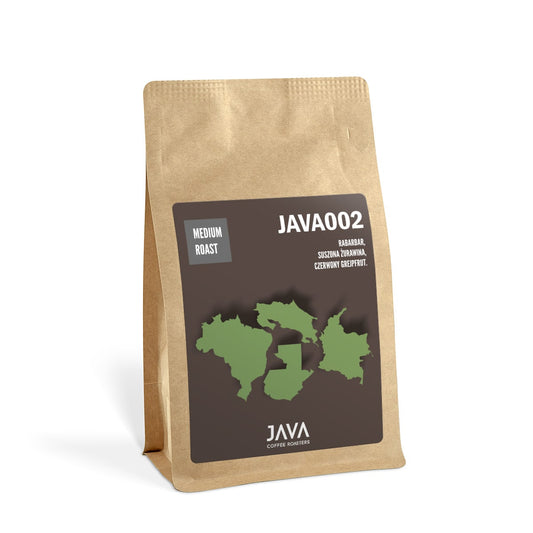
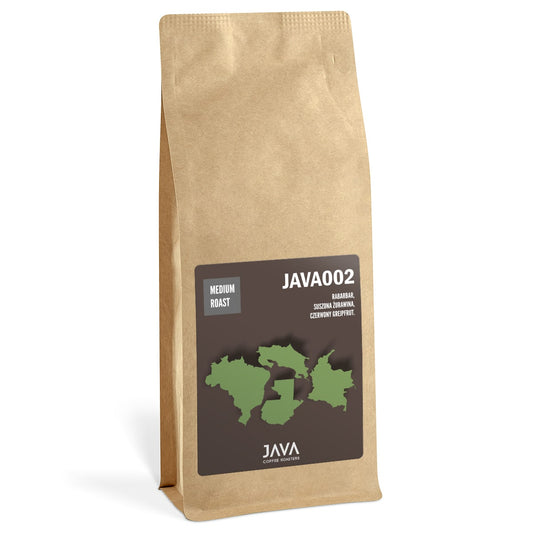
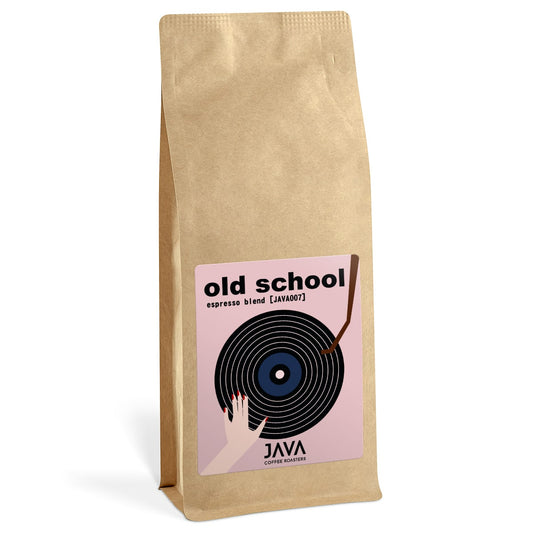
JAVA Old School Blend 007 offers a classic profile with Hungarian plum, walnut and roasted almonds. JAVA Espresso Blend 002 brings a fruity contrast – rhubarb, dried cranberry and grapefruit. Both coffees are roasted for espresso and have a character that stays clear in milk.

You do not have to stick to one profile. With the JAVA Coffee Roasters espresso collection, you can treat latte macchiato as a simple test – the same amount of milk, the same espresso recipe and different beans quickly show how much the coffee changes the finished drink.
Which milk or plant-based drink should you choose?
What matters most is the ability to form elastic microfoam. The milk should aerate without large bubbles and stay fluid enough for the espresso to pass through the top layer of foam.
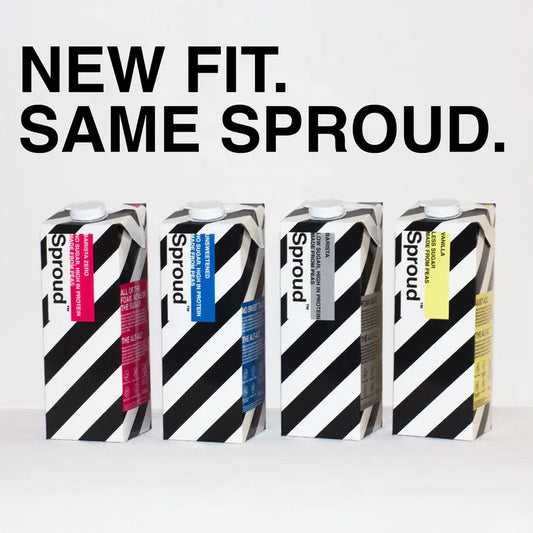
For plant-based drinks, barista versions are the easiest place to start. Sproud Barista has a neutral profile and steams well, so it keeps a creamy texture without covering the espresso with a strong aroma of its own.
Whatever base you choose, do not overheat it. If you want to work on your technique, read our guide on how to froth milk properly.
Can you make latte macchiato without an espresso machine?
Classic latte macchiato is based on espresso, but at home you can also make a drink inspired by this recipe without an espresso machine. Strong, concentrated coffee works best, so it does not disappear in 180–200 ml of milk.
- Moka pot: use about 40–50 ml of strong coffee and pour it into the milk the same way as espresso.
- AeroPress: make a short, stronger brew with a small amount of water. It will be lighter than espresso, but it can still give a clear coffee note.
- Capsule machine: choose a short espresso instead of a lungo. More water dilutes the milk drink faster.

The layers in these versions may look different, because the density of the coffee changes, but the method stays the same: milk first, coffee second.
Common mistakes when making latte macchiato
The layers mix straight away
Give the milk between ten seconds and a minute after pouring it into the glass, and add the espresso more slowly. If the coffee goes in too fast, it mixes with the milk before it can form a separate layer.
The foam is stiff and full of large bubbles
The milk has been aerated too much. Latte macchiato needs fine, creamy microfoam. Add air only at the start of steaming, then focus on smoothing the texture.
You can barely taste the coffee
With a lot of milk, a delicate or badly brewed espresso easily disappears. Make sure the shot is right and choose beans with clear sweetness and good body. You can also slightly reduce the amount of milk.
The latte macchiato is too hot
The milk does not need to boil. A range of about 55–65°C gives a pleasant temperature, keeps the natural sweetness of the milk and makes it easier to build smooth microfoam.
Latte macchiato at home – great layers start with good flavour
You do not need a special gadget or a special blend to make latte macchiato at home. All you need is a properly brewed espresso, about 180–200 ml of well-steamed milk and calm pouring. Milk first, coffee second – this one change already sets latte macchiato apart from many other milk coffees.
The layers are a nice visual effect, but at JAVA Coffee Roasters the coffee always comes first. If the espresso is sweet and balanced, the milk is creamy and the ratio suits your taste, the drink works even when the middle band does not look like a catalogue photo.
FAQ – latte macchiato
What does the name latte macchiato mean?
In Italian, latte macchiato means “stained” or “marked” milk. The name refers to how it is made – milk is the base, and espresso is added to it, leaving a visible coffee mark.
What is the ratio for latte macchiato?
A good starting point at home is about 36–40 g of espresso and 180–200 ml of milk. That is roughly one part coffee to 4–5 parts milk. You can adjust the ratio later, depending on the size of your glass and how strong you like it.
What goes in first in latte macchiato – milk or coffee?
Milk first. Warm, steamed milk goes into the glass, and only then is the espresso slowly poured in. This order helps create the characteristic layers and sets latte macchiato apart from classic caffè latte.
Why does latte macchiato have three layers?
After steaming, the liquid milk and the lighter microfoam start to separate. Slowly poured espresso passes through the foam but stops above the heavier layer of milk. This creates three visible levels.
How is latte macchiato different from cappuccino?
Latte macchiato contains more milk and is milder, and its signature is the pouring order and the visible layers. In cappuccino, the espresso and milk are more integrated, and the coffee taste usually stays stronger.
How is latte macchiato different from espresso macchiato?
They are almost opposite drinks. Espresso macchiato is a small, intense espresso with a little milk or foam. Latte macchiato is a large, milky drink with a shot of espresso added.
Can you make latte macchiato with a plant-based drink?
Yes. The easiest option is a barista version that forms stable, fine microfoam. The technique stays the same: steam the base, pour it in first, wait a moment and only then slowly add the espresso.