Collection: Matcha — premium Japanese powdered green tea

From first-harvest ceremonial to everyday latte blends — Japanese matcha in every form it takes. Stone-ground, shade-grown, chosen for flavor. Find yours.

  • What is matcha?

    Matcha is Japanese powdered green tea — not a leaf infusion, but a suspension in which you drink the entire ground leaf. That is why it tastes different from regular green tea and works differently from coffee. The tea plants destined for matcha are shade-grown for several weeks before harvest, which slows photosynthesis and forces the leaves to accumulate higher levels of chlorophyll and L-theanine — the amino acid responsible for calm, sustained energy and the characteristic umami flavor.

    After harvesting, the leaves are steamed, dried, destemmed, and ground on traditional stone mills. The process is slow — one mill grinds just 30–40 g of powder per hour. The result is a silky, intensely green powder that forms a creamy, full-flavored suspension in the cup.

  • Matcha grades — how to choose?

    Matcha is divided into three main grades, differing in harvest timing, flavor profile, and intended use:

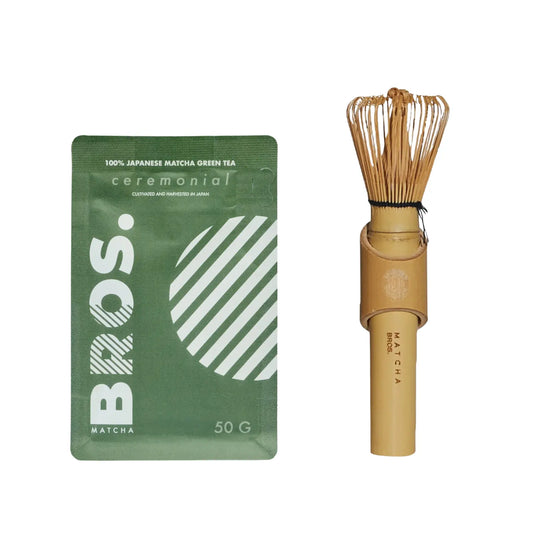
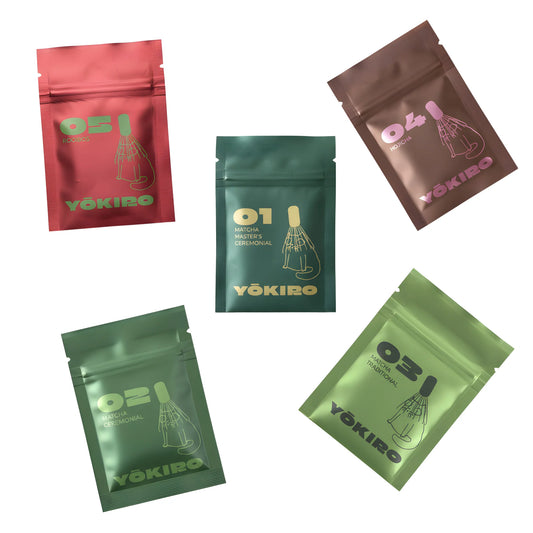
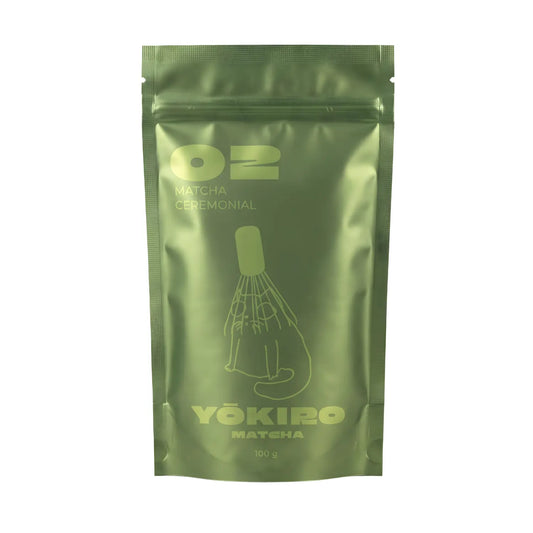
    • Ceremonial matcha — from the first spring harvest, the most delicate grade, with natural sweetness and clear umami. Intended for drinking with water alone.
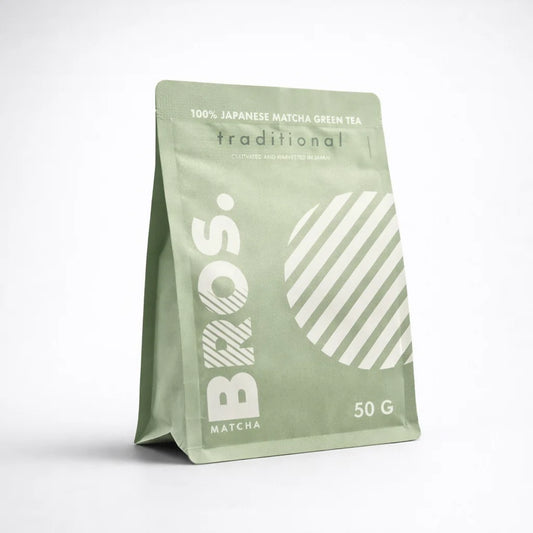
    • Traditional matcha — from the first and second harvest, balanced and versatile. Works well with water and equally as a base for matcha latte.
    • Culinary matcha — from later harvests, with a more intense flavor and pronounced bitterness. Ideal for baking, desserts, and drinks where matcha is one ingredient among others.

    Not sure where to start — traditional matcha is the safest entry point. It gives room to experiment without compromising on quality.

  • How matcha works — caffeine and L-theanine

    Matcha contains natural caffeine — less than coffee, but more than regular green tea. The key difference is that the caffeine in matcha works alongside L-theanine. This amino acid slows caffeine absorption and softens its effect — the result is focus and energy without a sudden spike or the crash that follows. This is why matcha is increasingly used as a coffee alternative by those sensitive to caffeine or looking for a more stable kind of alertness.

  • How to prepare matcha?

    Matcha is not brewed — it is whisked. Traditional preparation requires three things: powder, water at 70–80°C, and a bamboo chasen whisk. Sift 1.5–2 g of matcha into a bowl, add a small amount of water, and whisk vigorously for 20–30 seconds until a thick foam forms. It can also be prepared in a shaker or with an electric frother — the result is slightly different, but equally good for everyday use.

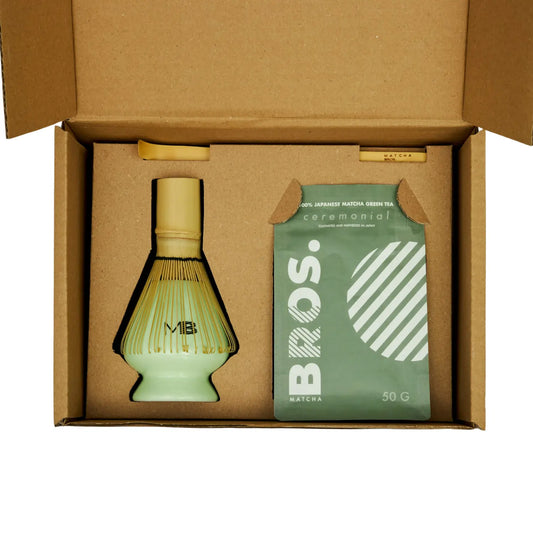
    You will need the right accessories to prepare it properly. Everything — chasen, chawan, sifter, chashaku — is available in our matcha accessories collection. If you are starting from scratch, one of our starter sets is the most convenient option — matcha and accessories in one box.

  • Matcha at JAVA Coffee

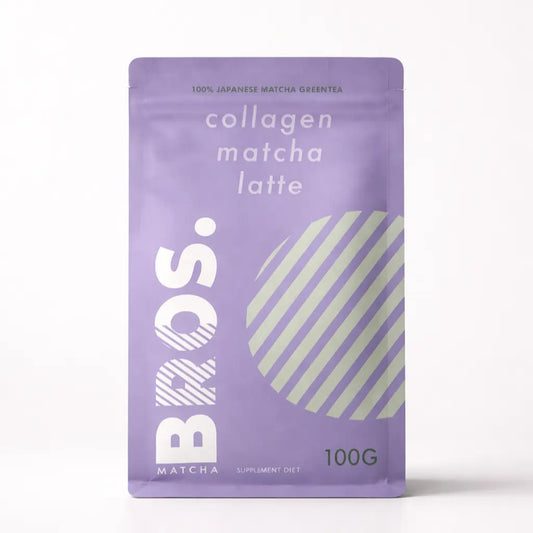
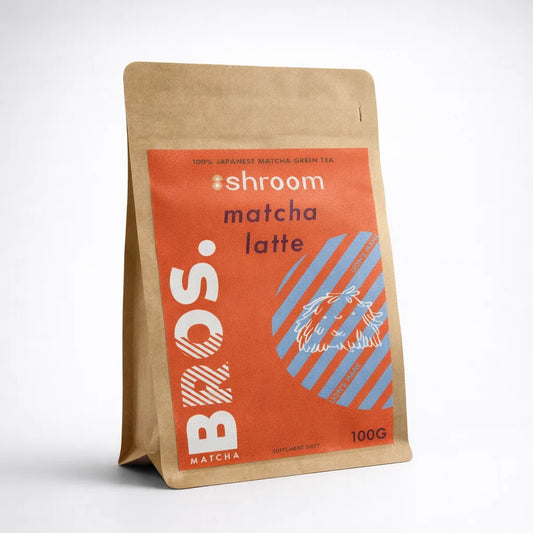
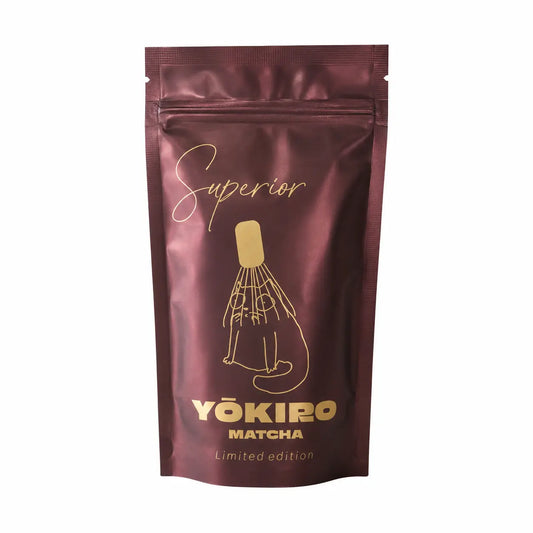
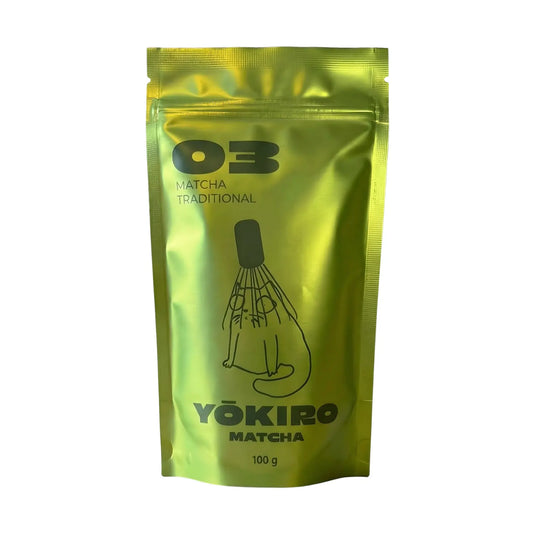
    Our range includes matcha from brands with verified Japanese origin: Oromatcha from Kagoshima, Matcha Bros. with direct relationships with Japanese producers, Yōkiro from the Aichi and Shizuoka regions. Each brand has a distinct character and flavor profile — worth trying and comparing.

    Want to know more? Our blog covers matcha properties, preparation methods, and recipes — from matcha latte to desserts and baked goods.