Espresso with orange juice and ice sounds like a random mashup of two breakfast classics, but done well, it doesn't taste random at all – the fruit's sweetness softens the coffee's bitterness, while its citrus acidity brings out the coffee's own fruity notes. The key is getting the ratios right: a balanced shot and a juice that isn't too bitter.
Orange Espresso at a Glance
For one serving, pull a double espresso from about 18 g of coffee (36–45 g of liquid espresso), and use 100–120 ml of well-chilled orange juice with 5–6 ice cubes. Pour the juice over the ice first, then slowly add the espresso on top. The layers look great, but give the drink a stir before your first sip – that's when the coffee and orange show their full balance.

Table of Contents
- Orange Espresso at a Glance
- What Is Orange Espresso?
- Orange Espresso – Recipe and Ratios
- How to Make Orange Espresso Step by Step
- Which Orange Juice Works Best with Espresso?
- Which Coffee Works Best for Orange Espresso?
- Orange Espresso with Tonic and Other Variations
- Orange Espresso, Espresso Tonic and Freddo – What's the Difference?
- Can You Make Orange Espresso Without an Espresso Machine?
- Common Mistakes When Making Orange Espresso
- Orange Espresso at Home – A Simple Recipe with Room for Your Own Taste
- FAQ – Frequently Asked Questions About Orange Espresso
What Is Orange Espresso?
Orange espresso is a cold coffee drink made with espresso, orange juice and ice. The juice usually goes into the glass first, with freshly brewed espresso poured on top. Because of the difference in density, the two form distinct layers for a moment – a bright orange base under a dark coffee top.
The layered look is a nice bonus, but what really matters is the contrast in flavor. The juice brings sweetness, freshness and citrus acidity, while the espresso contributes bitterness, body and the aromatics of the beans themselves. If the coffee already has fruity notes, the orange brings them forward even more. If it's more chocolatey or caramel-forward, the juice creates a clear sweet-bitter contrast instead.
You might come across this drink under a few different names – orange espresso, espresso orange juice, orange freshpresso or bumble coffee. There's no single standard recipe behind all of them. Some versions use only espresso, juice and ice, while others add tonic, sparkling water or caramel syrup.

Did you know? Orange espresso is best judged after stirring. The two layers look great in photos, but it's only once the ingredients are combined that you can tell whether the juice's sweetness, the acidity and the espresso's bitterness are actually in balance.
Orange Espresso – Recipe and Ratios
The safest starting point is a ratio of roughly 1 part espresso to 2.5–3 parts juice. That keeps the coffee noticeable without letting it dominate the drink. If you prefer a stronger coffee character, start with 100 ml of juice. For a gentler version, increase it to around 120–140 ml.
Ingredients for One Serving of Orange Espresso
- 18 g of freshly ground espresso coffee,
- 36–45 g of brewed espresso,
- 100–120 ml of chilled orange juice,
- 5–6 medium or large ice cubes,
- an orange slice or a strip of peel to garnish – optional.
To make orange espresso, you'll need:
- an espresso machine or a capsule machine that brews espresso,
- a grinder, if you're using whole beans,
- a tall glass with a capacity of around 250–300 ml,
- optionally, a fine strainer for freshly squeezed juice.
How to Make Orange Espresso Step by Step
- Chill the juice and prepare the ice. Orange espresso is a simple drink, so the temperature of every ingredient really shows. The juice should already be cold before it goes into the glass. Fill the glass with 5–6 larger ice cubes – they melt slower than small ones and dilute the drink less.
- Pour in the orange juice. Add 100–120 ml of juice. If you're squeezing the oranges yourself and want a smooth texture, strain the juice through a fine sieve. Pulp isn't a mistake, but it changes the mouthfeel and makes the drink less clear.
- Brew a double espresso. Use 18 g of coffee and 36–45 g of espresso as your starting point. The shot should taste good on its own before it ever meets the juice – orange won't fix an under-extracted, sharply sour or over-extracted espresso. If you want to dial in your dose, grind and yield, check our guide on how to brew the perfect espresso.
- Add the espresso slowly. Pour the fresh espresso in a thin stream over the ice, or down the back of a spoon. This helps the drink hold its layers for longer. You don't need to let the coffee cool for several minutes first – the ice and cold juice bring the temperature down quickly.
- Stir before your first sip. This is the moment orange espresso really comes together. Stir, taste, and only then decide whether you want more juice, a stronger espresso or a touch of extra sweetness. Every orange has different acidity and sugar content, so treat this recipe as a starting point rather than a fixed formula.

Pro tip from JAVA Coffee Roasters: taste the espresso and the juice separately before you put the drink together. If the coffee is sharp and sour, and the orange is also very tart, combining them won't suddenly make the drink balanced. It's easiest to work with an espresso that has clear sweetness and juice from ripe, juicy oranges.

Which Orange Juice Works Best with Espresso?
Freshly squeezed juice from ripe oranges gives you the most control. You can easily judge its sweetness, acidity and bitterness, and strain out the pulp if needed. That said, orange espresso doesn't require a juicer. A good chilled 100% juice works too, especially one with a simple ingredient list and no excess bitterness.
Watch out for bitterness coming from the peel and the white pith. When you squeeze oranges by hand, pressing too hard can push more bitter compounds into the juice. Paired with a dry, sharp espresso, that bitterness becomes even more noticeable.

If the juice turns out very sour, don't reach straight for sugar – try sweeter oranges instead, or a coffee with more natural sweetness and fuller body. With orange espresso, adjusting one ingredient usually works better than masking the whole drink with syrup.
Which Coffee Works Best for Orange Espresso?
For orange espresso, look for coffees with clear sweetness once brewed – ones that don't fall flat once chilled. There's no single required profile. You can lean into citrus and fruit to boost the drink's freshness, or choose a more chocolatey espresso that creates a stronger contrast with the orange.
| Fruity and Citrusy | Fruity with a Chocolate Base | Chocolate and Citrus |
|---|---|---|
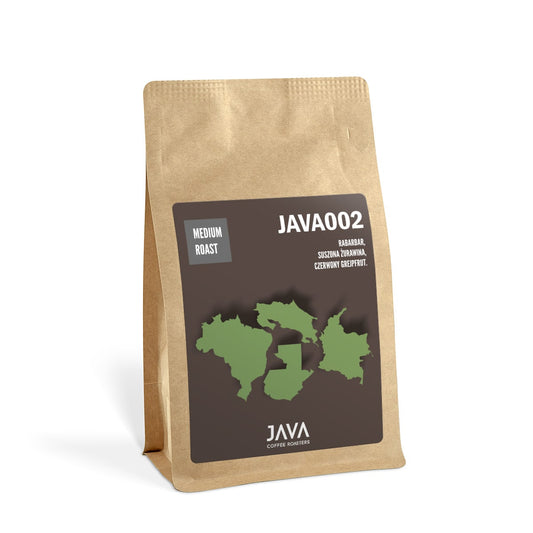
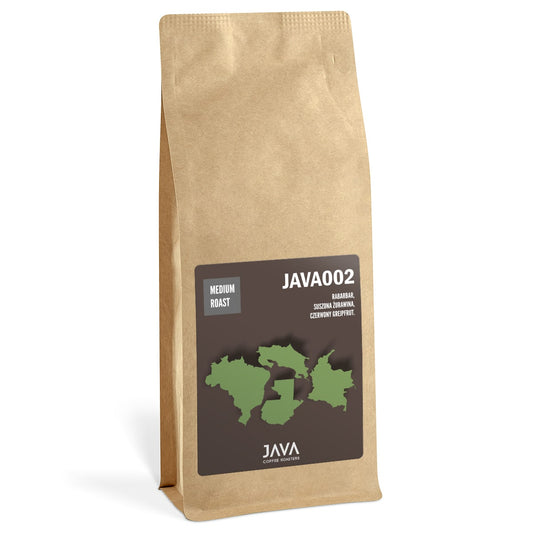
| Rhubarb • dried cranberry • red grapefruit JAVA Espresso Blend 002 |
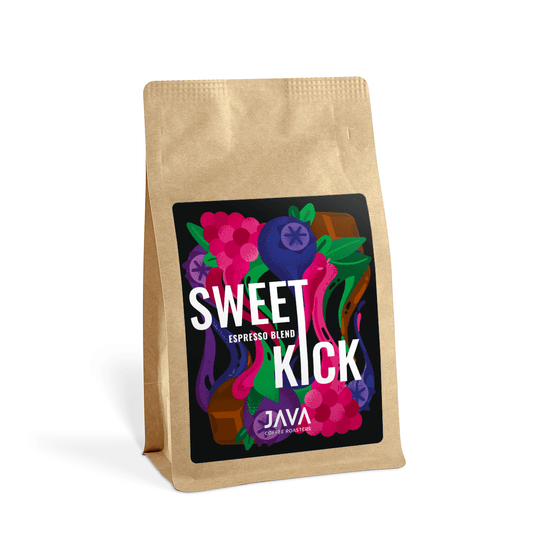
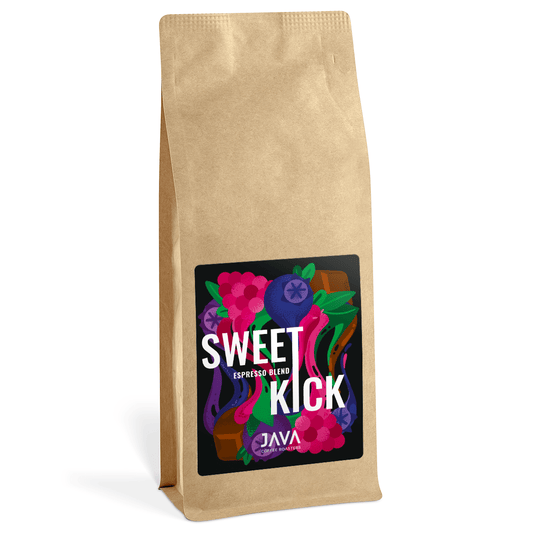
Forest berries • milk chocolate • cocoa Sweet Kick Espresso Blend |
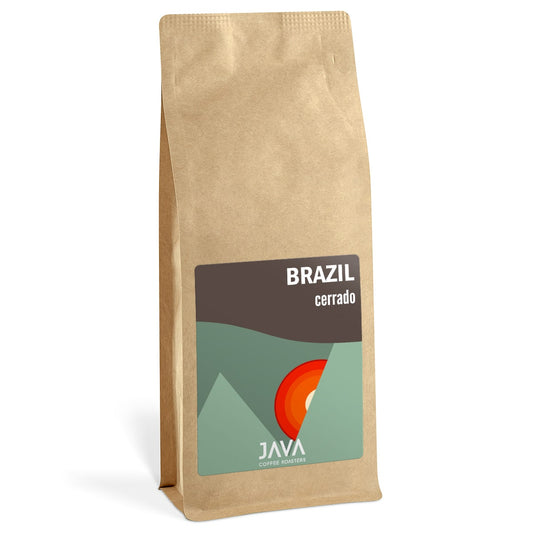
Cherry • red grapefruit • dark chocolate Brazil Cerrado 003 |
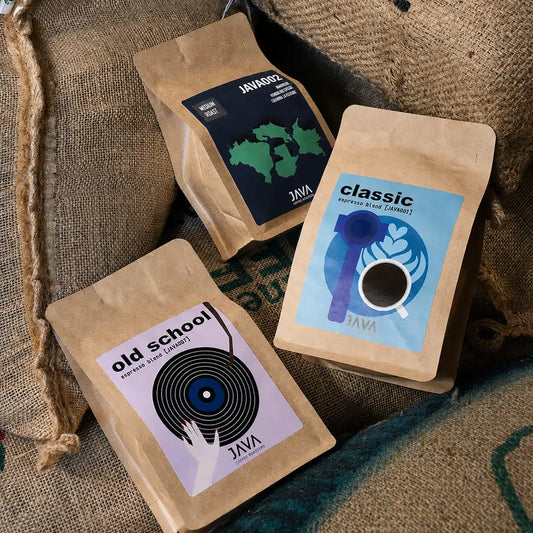
In JAVA Coffee Roasters' espresso collection, you can choose beans mainly by sensory profile – from citrusy to chocolatey. Seasonal coffees can change, so treat the names in the table as a reference point for the profile you're after, not a fixed shopping list for orange-and-coffee pairings.
Orange Espresso with Tonic and Other Variations
Orange Espresso with Tonic
If you like espresso tonic, try the orange version. Pour 60–80 ml of orange juice and 60–80 ml of tonic water over ice, then top with 36–40 g of espresso. Tonic adds extra bitterness and bubbles, so it works best with a fairly sweet juice and a coffee that isn't overly dark or dry.

With this version, start with less tonic than you think you need. It's easy to add more, harder to tone down that dominant quinine bitterness. You'll find more combinations like this in our iced coffee recipes.
Bumble Coffee with a Touch of Caramel
Did you know? Bumble coffee and orange espresso are often confused. Orange espresso is usually just espresso, orange juice and ice, while bumble coffee is typically the same base with caramel syrup or another sweet touch added.
Under the name bumble coffee, you'll also find versions with caramel syrup. If you want to try this direction, start with 5–10 ml of syrup at the bottom of the glass, then add ice, about 100 ml of juice and a double espresso. Caramel rounds out the acidity, but it can easily mask the character of the beans, so with specialty coffee it's best treated as an accent rather than the main flavor.
Orange Espresso Without Extra Sweetness
If the orange is ripe and the espresso is well balanced, the drink doesn't need syrup at all. Instead of sweetening it, you can add a thin strip of orange peel for an intense aroma. Just be careful not to include much of the white pith – that's what brings unwanted bitterness.
Orange Espresso, Espresso Tonic and Freddo – What's the Difference?
Orange espresso is built on espresso and orange juice. It's sweeter, more fruit-forward, and has a distinct citrus acidity.
Espresso tonic combines coffee with tonic water, which makes it drier, fizzier and more bitter.

Freddo espresso contains neither juice nor tonic – it's espresso that's quickly chilled and aerated with ice, then served over fresh cubes.
So if you're after a fruity coffee, orange espresso is the best choice. If you want something dry and sparkling, go for espresso tonic, and if you want to taste the coffee on its own in cold form, see our freddo espresso recipe.
Can You Make Orange Espresso Without an Espresso Machine?
Yes, though it won't be the classic espresso-based version – you can also prepare the coffee base in a moka pot, an AeroPress or a capsule machine. What matters most is that the coffee base is short, concentrated and flavorful enough not to disappear into 100–120 ml of juice.
- Capsule machine. Brew two short espressos instead of one large coffee. A lungo adds more water and will dilute the drink faster.
- Moka pot. Use about 40–60 ml of strong brew and pour it over juice and ice. The flavor will differ from a pressurized espresso machine, but you'll keep a distinct coffee character.
- AeroPress. Brew a concentrated coffee using less water and a finer grind. This is a variation inspired by orange espresso rather than a classic espresso with juice.

Common Mistakes When Making Orange Espresso
The Drink Is Too Sour
Start by tasting both ingredients separately. A very sour juice combined with under-extracted espresso creates a sharp, tingling result. Choose riper oranges, dial in your extraction, or reach for a coffee with a more chocolatey, sweeter profile. Don't try to fix everything with more sugar.
The Drink Is Too Bitter
The cause is usually an over-extracted espresso, coffee roasted too dark, a bitter juice, or too much tonic. Start with the simplest version – espresso + juice + ice. Once that balance is right, add other ingredients one at a time.
Orange Espresso Turns Watery Too Quickly
The usual culprits are small, partly melted ice cubes or juice that wasn't cold enough. Use larger, well-frozen cubes and chill the juice beforehand. There's also no need to let the espresso cool for a long time – the longer it sits, the more aroma it loses before it even meets the juice.
The Coffee Flavor Almost Disappears
Use less juice, or brew a slightly more concentrated espresso. With 36–45 g of espresso, start at 100 ml of juice and increase the ratio from there if needed. Choosing beans with more body, a chocolate base or intense fruitiness is also a good move.
Orange Espresso at Home – A Simple Recipe with Room for Your Own Taste
Orange espresso only has a handful of ingredients, which is exactly why each one is so noticeable. Good espresso, a ripe orange, cold ice and sensible ratios are all it takes for a drink that's both refreshing and distinctly coffee-forward.
It's one of those recipes where it's worth moving from asking "does coffee go with juice?" to asking "which coffee goes with this juice?" At Java Coffee Roasters, that's exactly what we love about specialty coffee – the chance to choose your profile, your recipe and your serve deliberately, until it matches the taste you're actually after in the glass.
FAQ – Frequently Asked Questions About Orange Espresso
Is Orange Espresso Just Espresso with Orange Juice?
Yes – in its simplest form, orange espresso is espresso, orange juice and ice. Some recipes add tonic, sparkling water or syrup, but the base combination stays the same.
What's the Best Ratio of Espresso to Orange Juice?
A good starting point is 36–45 g of double espresso to 100–120 ml of juice – roughly 1 part coffee to 2.5–3 parts juice. If the coffee gets lost in the drink, use less juice; if the espresso dominates, add a bit more.
Do You Need Freshly Squeezed Juice for Orange Espresso?
No. Freshly squeezed juice gives you the most control over flavor and pulp, but a good chilled 100% juice works too. What matters more than the format is that the juice tastes good, is fairly sweet, and isn't overly bitter.
Which Coffee Pairs Best with Orange Juice?
It's easiest to start with an espresso that has clear sweetness. Citrusy and fruity profiles bring out the orange's freshness, while chocolatey and caramel profiles create a stronger contrast. It depends on whether you want a crisper drink or a more dessert-like one.
Are Orange Espresso and Bumble Coffee the Same Thing?
The names are sometimes used interchangeably, but the recipes aren't fully standardized. Orange espresso usually means espresso with orange juice and ice, while many bumble coffee versions add caramel syrup or another sweet ingredient.
Can You Add Tonic to Orange Espresso?
Yes. The tonic version is fizzier and drier. Start with equal parts juice and tonic, for example 60–80 ml each, then top with a double espresso. If the tonic dominates, cut back on it rather than adding more sweetness with syrup.
Can You Make Orange Espresso Without Caffeine?
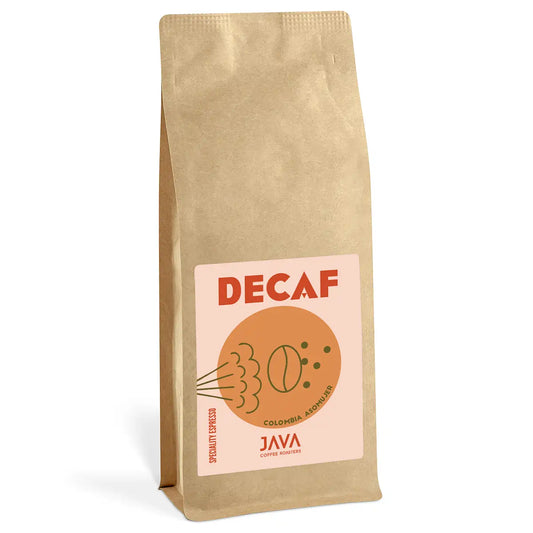
Yes. Use a decaf coffee roasted for espresso and keep the same ratios of juice, ice and brewed coffee. The technique stays the same – only the coffee changes.